
EES News

(Oct. 7, 2026)
A Journey Into Earth’s DepthsSyracuse University Earth scientists helped trace a rock's approximately 90-kilometer journey from Earth's surface into the mantle, uncovering new clues about how subduction zones develop and drive planetary change over millions of years.

(Sept. 28, 2026)
A&S Faculty Featured in Syracuse.com Coverage of Syracuse University’s Future-Focused SummitCollege of Arts and Sciences researchers highlighted the power of interdisciplinary scholarship, emerging technologies and community impact at Syracuse University's "Into the Future" summit.
(Sept. 14, 2026)
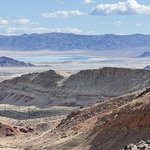
Exploring Earth’s Resources for a Clean Energy FutureEarth sciences professor Adam Cawood is finding solutions that support the energy transition while making geoscience more accessible to researchers and students worldwide.
(Sept. 11, 2026)
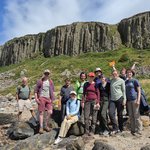
Scotland as a Geological ClassroomStudents in the Department of Earth and Environmental Sciences gain hands-on experience through immersive field research in the birthplace of modern geology.
(Aug. 19, 2026)
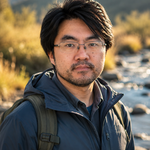
Accelerating the Search for Rare Earth ElementsEarth sciences professor Tao Wen and his students are part of an interdisciplinary effort to improve the ability to identify and evaluate potential rare earth element resources in the U.S.
(July 15, 2026)
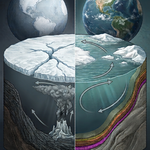
A&S Researchers Link Metal Deposits to Oceanic Oxygen Loss During Ancient Ice AgesA sweeping analysis by Syracuse researchers of metal contents in ancient marine sedimentary rocks suggests oxygen-poor oceans were common during Earth's six greatest ice ages.
(July 7, 2026)
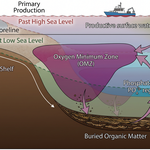
Earth’s Natural ThermostatFor 60 million years, rising and falling seas influenced how much carbon the ocean buried and how warm the planet was.

(June 18, 2026)
Student Earns Astronaut ScholarshipRising senior Kenna Cummings was recently named a 2026 Astronaut Scholar class, adding a second major national honor to a banner spring.