
Looking to the Past to Plan Ahead
Key Takeaways:
Collaborative framework: The center would unite scientists and planners to translate historical data into actionable strategies for communities.
Addressing climate change: The report encourages using ancient records to prepare for increasingly severe weather events, many driven by climate change.
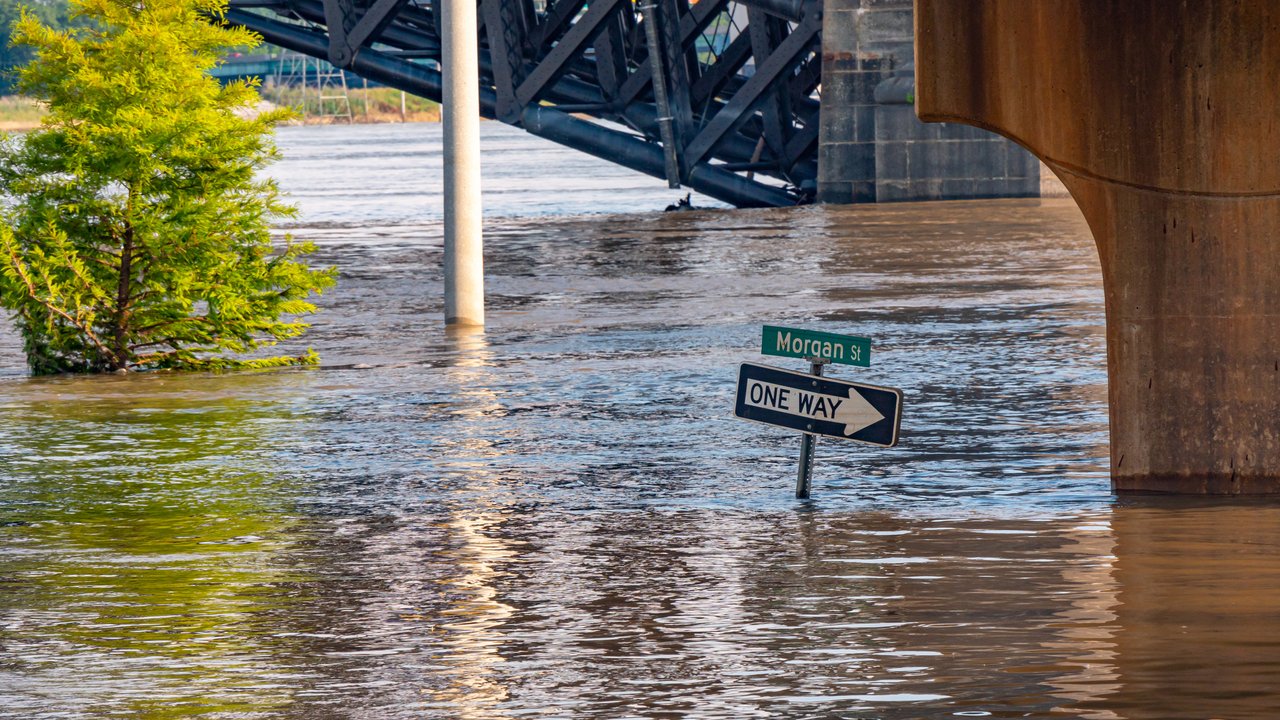
Communities across the United States are facing more frequent and damaging floods, storms and other extreme events as a result of climate change and unwise development in vulnerable places. But disaster planners rely primarily on instrumental data of natural disasters, which show only what nature has done recently.
A new report from the National Academies of Sciences, Engineering and Medicine argues that a deeper history is essential to preparing for natural disasters. It calls for the creation of a Center for Paleoenvironmental Records of Extreme Events, a national effort to turn long-term records of past disasters into practical guidance for the future.
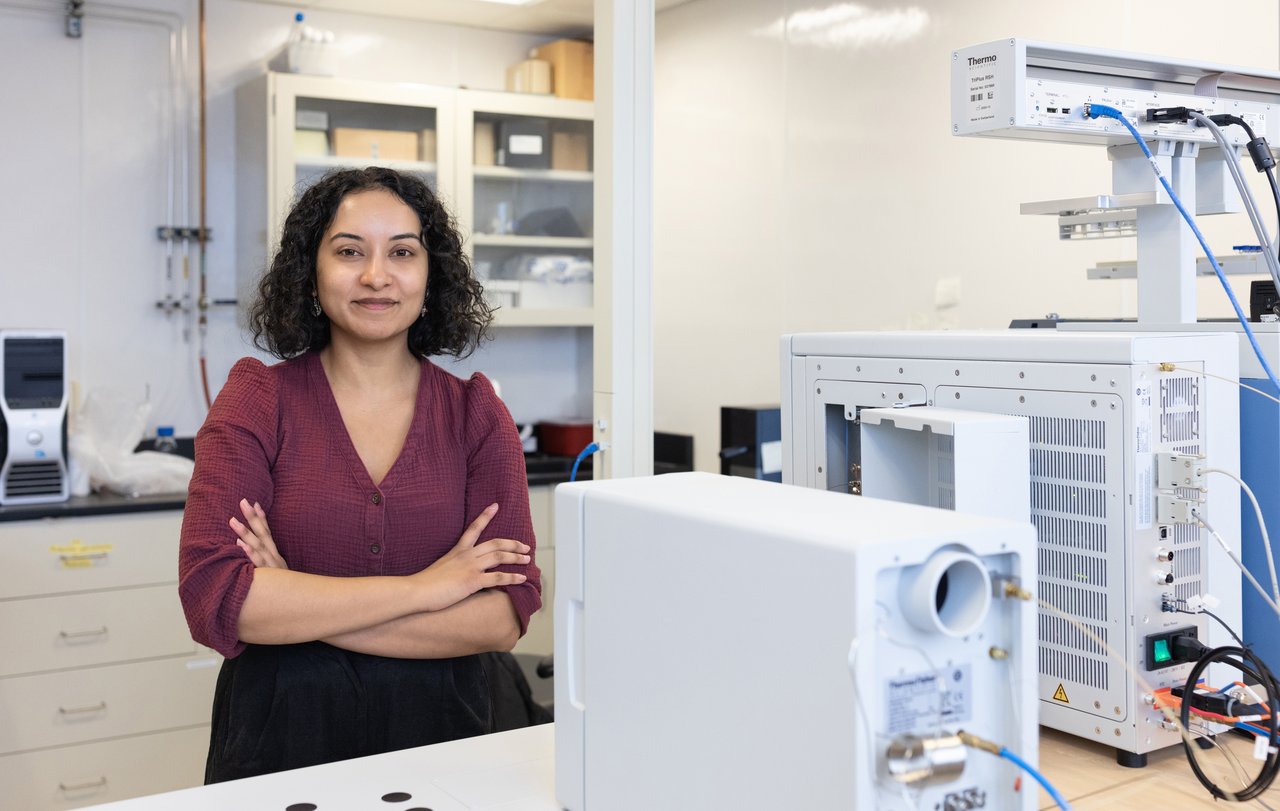
Tripti Bhattacharya, Thonis Family Professor in the Department of Earth and Environmental Sciences in the College of Arts and Sciences (A&S) at Syracuse University, is a coauthor of the report.
Deep History
The idea is that natural systems preserve evidence of historical extreme events. These records in lake sediments, floodplain deposits and chemical traces in soils can reveal events that happened hundreds or thousands of years ago, including ones that today’s disaster models may miss.
In some cases, the long view is already shaping decisions.
“Reconstructions of past earthquakes have been used to inform building codes in the Pacific Northwest,” Bhattacharya says. “On the Mississippi River, flood control and infrastructure design are guided in part by evidence of past floods preserved in the landscape.”
But those applications remain limited. The science is complex, the data are scattered, and translating findings into usable guidance often falls to individual researchers or agencies.
The proposed center would try to change that. It would bring scientists together with planners and emergency managers to synthesize paleo evidence from multiple sources and translate it in ways that can inform decisions.
A lot of the information already exists. What’s missing is the capacity to integrate, analyze and interpret it."
Climate change is altering the frequency and intensity of some extreme events. In many cases, conditions are moving beyond the range captured in modern observations alone. Without a longer-term perspective, planners risk underestimating the likelihood of rare but high-impact events and might design systems that are unprepared for them.
The center would function as a hub where working groups could combine different kinds of evidence to reconstruct past extremes and develop standards that make those interpretations traceable.
The report emphasizes that the work should be shaped by end users. The goal is not simply to produce better reconstructions of past events, but to answer specific questions about disaster risk. How large can floods get? How often do the most damaging events occur? What scenarios should infrastructure be built to withstand?
Leading the Charge
Bhattacharya is among the scientists already doing this kind of work. Her research reconstructs rainfall and climate patterns from past climate states, combining geochemical indicators of rainfall with climate models to understand the drivers of extreme weather, particularly in eastern North America.
“For several years, I’ve been thinking about extreme events in the paleo record,” she says. “This report process has made it clear how my work fits into a larger effort to help communities plan for what’s ahead.”
Bhattacharya’s work on the report represents both a significant career milestone and a meaningful contribution to national climate science conversations while also reinforcing A&S’ strategic priority on climate change and the environment.
“It has been a great honor to serve on a National Academies panel,” says Bhattacharya. “Paleo data can help us plan for extremes in the next century, but the country needs additional scientific capacity and coordination to realize that potential.”
Published: May 6, 2026
Media Contact: asnews@syr.edu