
The Future Awaits
What makes a fulfilling college experience? For some students, it’s the opportunity for hands-on research. For others, it might be studying abroad or engaging with communities beyond campus. At Syracuse University’s College of Arts and Sciences (A&S), students do all of that and more, pairing rigorous academics with experiences that build the confidence and skills needed for success in their careers, graduate study and life beyond the classroom.
By encouraging students to think broadly, collaborate across disciplines and connect ideas in meaningful ways, this multifaceted approach fosters intellectual flexibility, which is a cornerstone of the College’s Academic Strategic Plan, Shaping the Future: Innovation, Engagement and Impact. The graduating seniors featured below exemplify how A&S’s wide-ranging opportunities prepare students to lead and innovate in an ever-evolving world.
Exploring Identity and Culture through Georgian Music
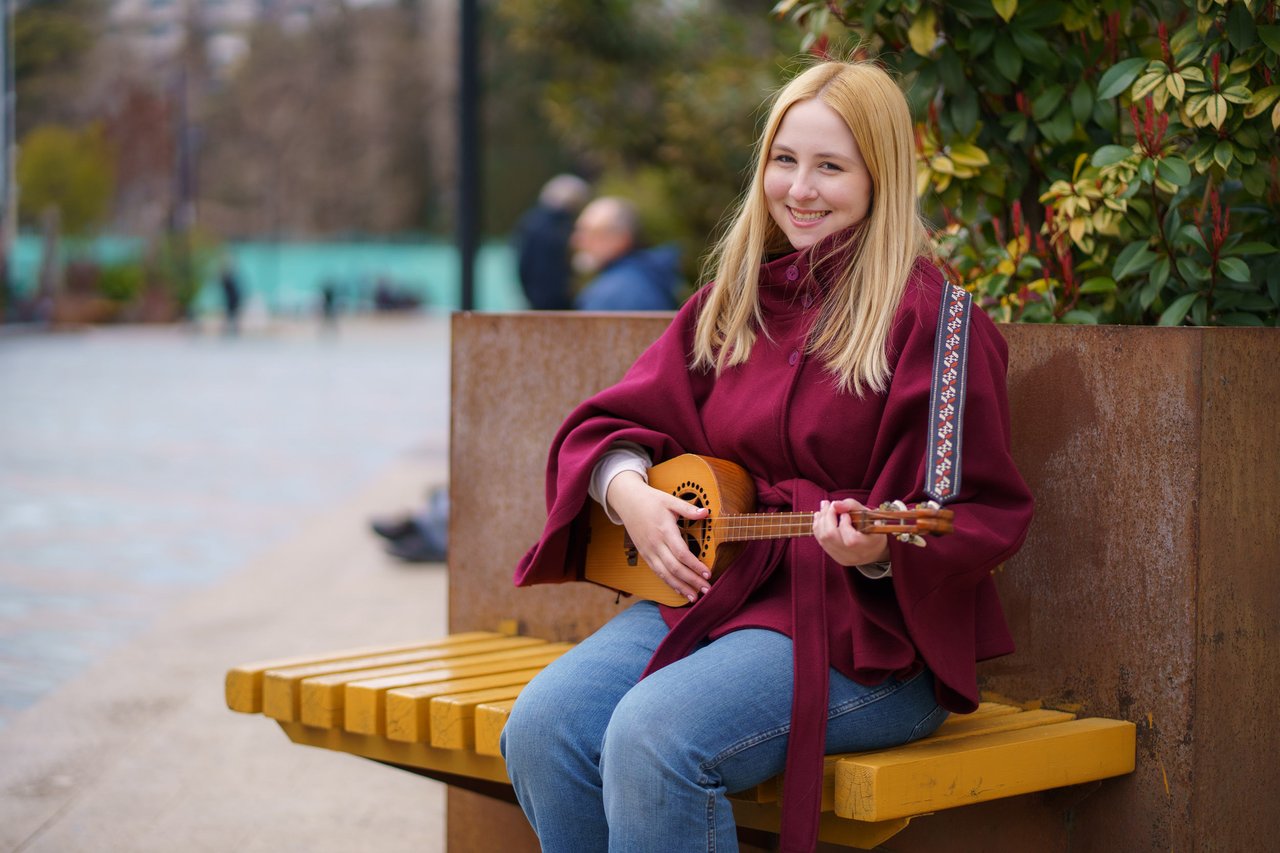
Anna Meehan is a triple major in music history and cultures; Russian language, literature and culture; and international relations with a minor in history. For her, understanding the world means listening closely, sometimes across languages, borders and centuries. Her research examines how traditional music shapes and reflects cultural identity, contributing to broader conversations about community, heritage and global exchange.
Meehan’s passion for Georgian music began during a study abroad program to that country in 2025. “I fell in love with the local music tradition right away,” she says. “I met regularly with traditional instrument craftsmen who built my panduri and helped integrate me into musical life in Georgia. I’ve been committed to studying Georgian music ever since.”
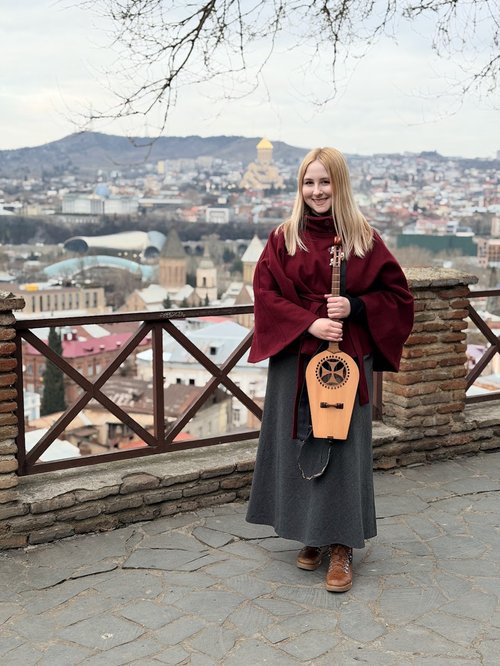
Her research explores how music permeates daily life in Georgia and helps individuals interpret what it means to be “Georgian” in both local and global contexts. Through fieldwork, conversations with musicians and hands-on study of instruments, Meehan analyzes how traditional practice intersects with cosmopolitan identity, tourism, digital media and contemporary folk-fusion genres.
Her scholarship has garnered national attention. She was invited to present her paper, “The Panduri as a Participatory Constructive Actor in Contemporary Formations of Georgian National and Cultural Identity,” at the Society for Ethnomusicology’s Southern Plains Chapter Conference in Spring 2026, an exceptional achievement for an undergraduate scholar, notes Ellen Hebden, Carole and Alvin I. Schragis Faculty Fellow and assistant professor in the Department of Art and Music Histories (AMH).
“This is a regional ethnomusicology conference and a very big deal for an undergraduate student to have a proposal accepted,” Hebden says. “It speaks to Anna’s high level of research at such an early stage in her career. She’s a really dedicated, smart student who has done great work on music-making in Georgia.”
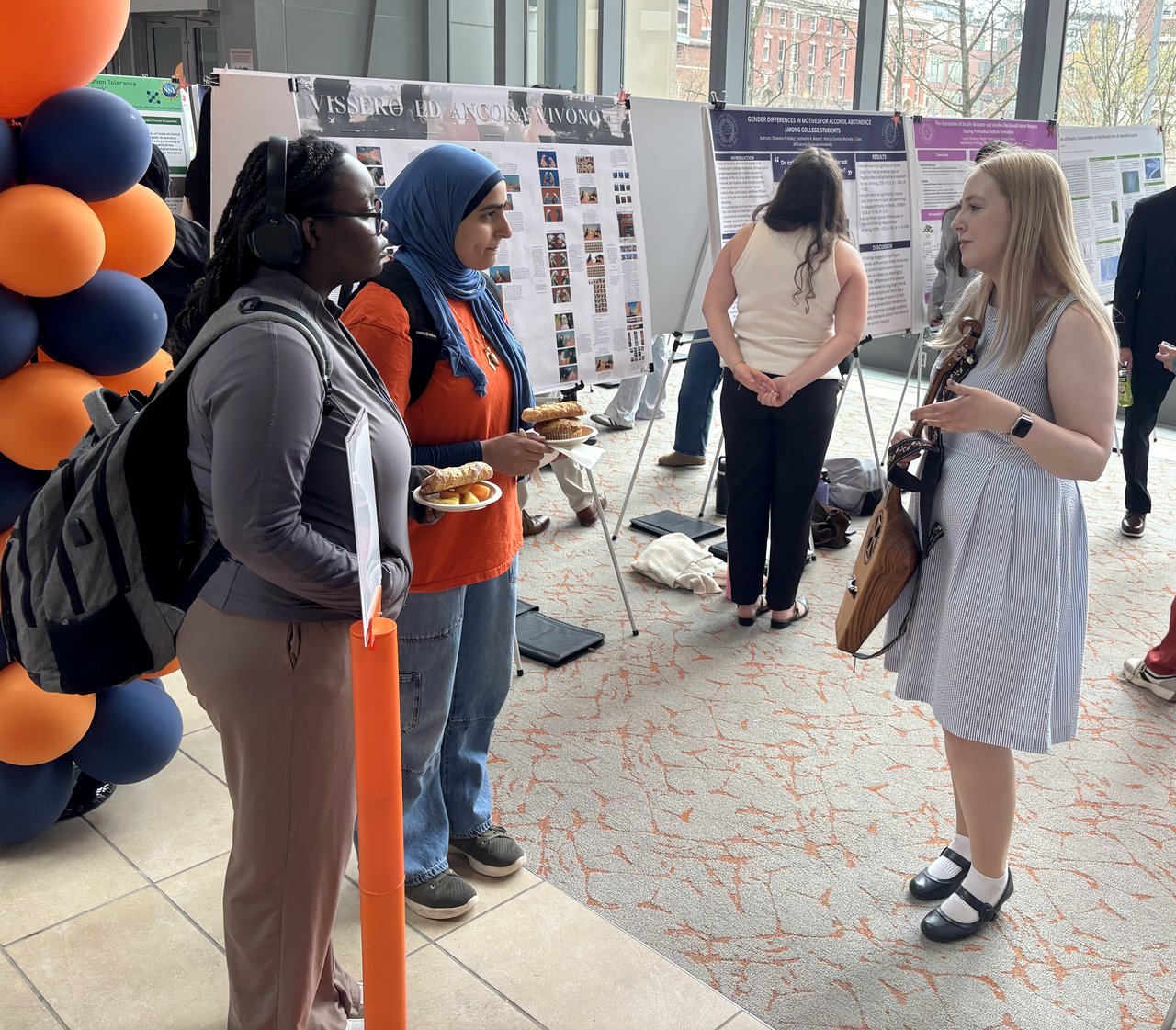
Meehan emphasizes how deeply she values that support from Hebden and the entire AMH department. “I would not have been able to complete this project without Dr. Hebden,” says Meehan. “She helped me develop my research question, methods and revisions, and showed me that a future in ethnomusicology is truly possible.”
At Commencement, Meehan will serve as a Student Marshal, a reflection of her distinguished achievement in academics and service to the University. After graduation, she will move to Tbilisi, Georgia, enrolling in the Georgian Folk Music program at the Tbilisi State Conservatory while continuing fieldwork. Looking to the future, she hopes to pursue a Ph.D. in ethnomusicology and a career dedicated to researching and teaching others about the music that continues to inspire her.
An Interdisciplinary Approach to Investigative Work
Solving criminal investigations requires curiosity, a careful eye for detail and a keen focus on piecing together facts from evidence in the pursuit of justice. Brenna McNamara honed these critical skills through an interdisciplinary path in A&S that blended coursework in forensics, psychology and computer science. These experiences have prepared her to contribute to the growing field of digital forensics, which involves finding, preserving and analyzing information from computers, phones and other digital devices to understand what happened in a particular situation.
McNamara’s interest in forensic science began in high school but took shape while she was a student in A&S. Here, she was able to unite her passions for forensics and psychology, two disciplines that intersect in critical ways during investigations. “Forensics focuses on the scene itself,” she explains, “while psychology helps explain human behavior. Both perspectives are essential.”
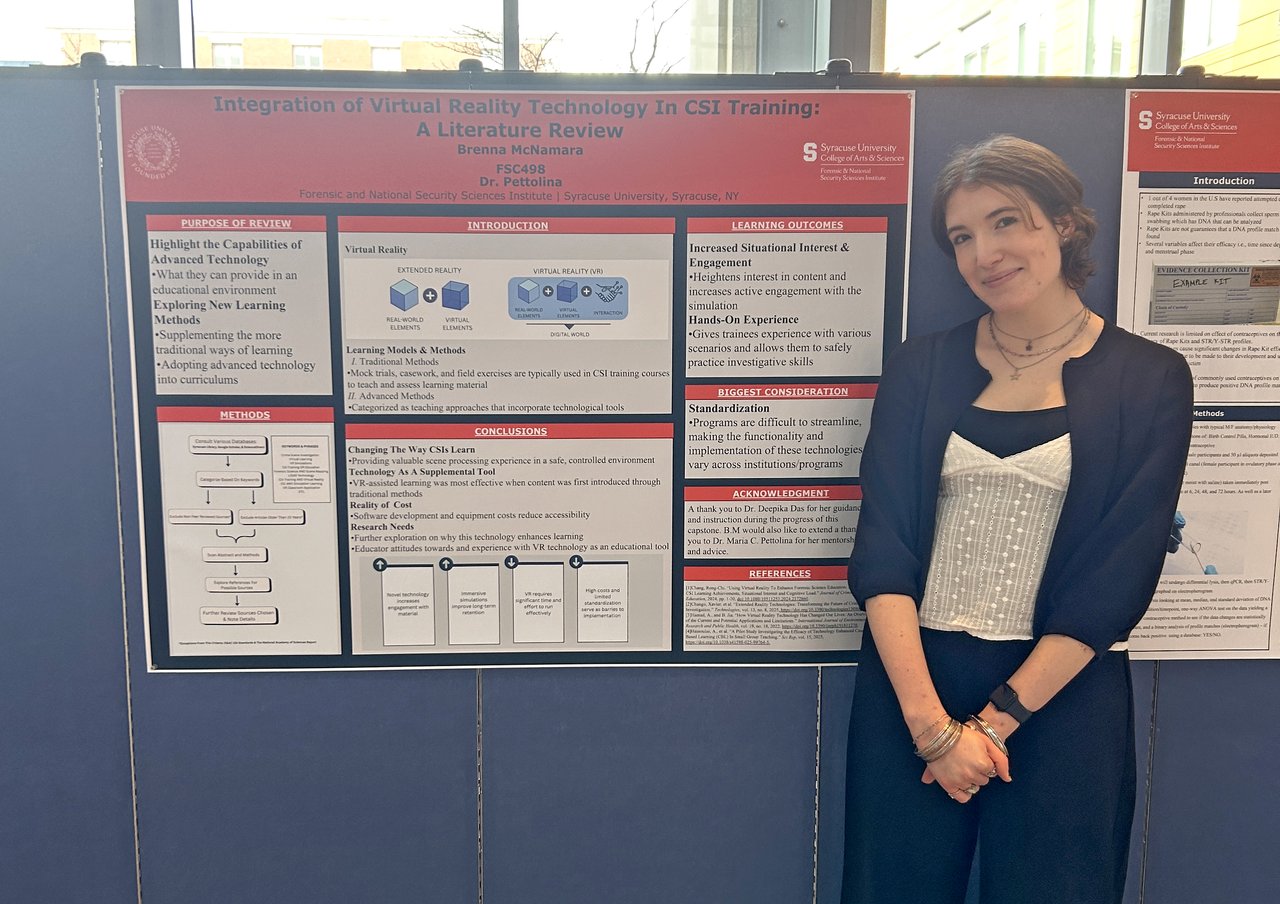
Her coursework at Syracuse strengthened that multidisciplinary approach. Bloodstain Pattern Analysis (BPA) was a course that, she says, crystallized her commitment to forensic science, combining scientific rigor with precision and mathematical analysis. “Math plays a large role in BPA, and seeing subjects I enjoy show up so often in forensics really solidified my passion,” she says. Crime Scene Investigation further opened her eyes to the field’s many specialties, inspiring her to explore as much as possible.
McNamara also secured an internship with the National Student Leadership Conference (NSLC), which proved transformative. In that role, she taught introductory forensic science to high school students, which allowed her to apply her knowledge in a new way. “My internship taught me more than I ever expected,” she says. “Sharing my knowledge, working as a team, communicating clearly—those were essential lessons.” She also found that teaching was reciprocal. “Most of my students came in with no prior experience, but I learned so much from them through mentoring.”
She attributes much of her growth to A&S faculty who recognized her dedication. “I’ve been grateful to have amazing, extremely knowledgeable professors,” she says. One professor’s recommendation even helped her secure her NSLC internship. Others challenged her academically and exposed her to new facets of forensic science, building her confidence as a developing professional in the field.
Outside the lab, McNamara strikes a balance between academics and creative engagement by hosting a radio show and serving as social media manager for the SU Pride Union. “Analyzing music on air and designing posts helps me tap into my creative side,” she notes. “It keeps my mind active and gives me a break from my intensive academic work.”
As a peer mentor for international students at Syracuse, McNamara also found opportunities to give back while reflecting on her own journey. “I was able to use my experience to help other students navigate their majors and life outside the classroom,” she says. “Looking back on how I got to where I am—and what I discovered while studying here—ultimately helped me clarify what I want my next steps to be.”
As she looks ahead, McNamara is most excited about immersing herself in the growing intersection of technology and forensics. “Studying both fields simultaneously at Syracuse allowed me to see how well they complement each other,” she says. “Now I can combine what I know about both.” This fall, she will begin Boston University’s master’s program in Computer Information Systems with a concentration in Digital Forensics, taking the next step toward a career defined by inquiry, innovation and an unwavering commitment to uncovering the truth.
Answering Really Big Questions at the Molecular Level
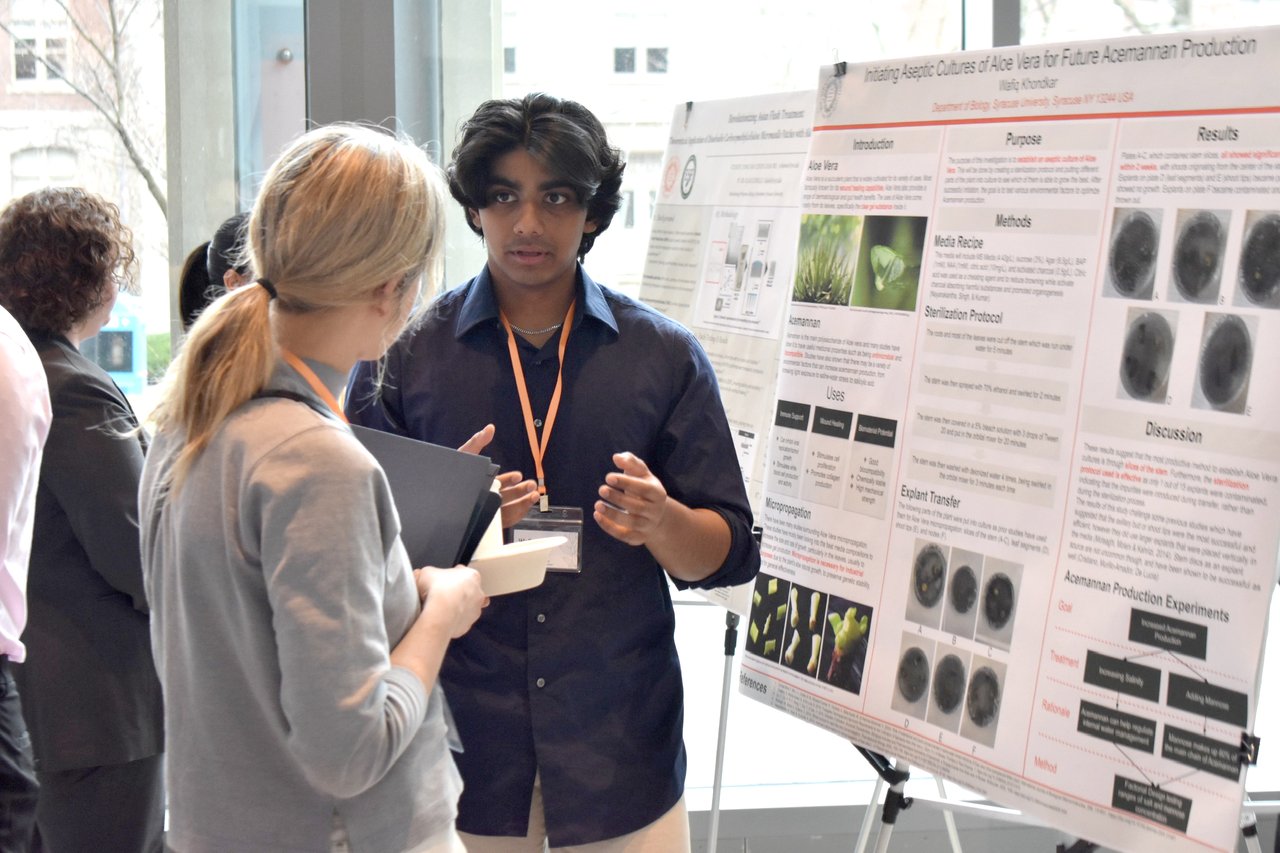
Curiosity about what governs human health at its most fundamental level has shaped the academic and research path of Wafiq Khondkar, a biotechnology and philosophy major whose work bridges molecular science, medicine and ethics. His interdisciplinary research investigates how molecular interactions shape biological function, with implications for therapeutics, personalized medicine and public health.
Khondkar’s fascination with molecular biology grew from a desire to understand how complex outcomes like behavior and disease can be traced to microscopic processes. That curiosity led to early research experiences at the Albert Einstein College of Medicine and Weill Cornell Medicine, where he studied cardiovascular biology and developed computational tools to analyze metabolic data. This work laid the foundation for his studies at Syracuse University.
Soon after arriving on campus, Khondkar joined the lab of Shikha Nangia, the Milton and Ann Stevenson Endowed Professor of Biomedical and Chemical Engineering in the College of Engineering and Computer Science. There, he began simulating proteins, cell membranes and potential drug molecules known as peptoids. “This gave me the chance to literally see how these molecules interact with one another,” he says. “I started to see molecules not just as abstract concepts in a textbook, but as tangible systems that can be modeled, predicted and manipulated.”
Through this hands-on undergraduate research, Khondkar developed a strong understanding of how protein structures, such as grooves, pockets and surface features, influence chemical behavior.
That early research opportunity translated into significant scientific contributions. Khondkar coauthored multiple peer-reviewed publications spanning protein chemistry, endothelial biology and cardiovascular genetics. His published work includes studies examining the role of L-arginine (an amino acid involved in key biological processes) in vascular health, as well as research into how stress signaling and genetic variation contribute to calcium buildup in the heart. By investigating these molecular mechanisms, his research supports a growing movement toward personalized medicine, in which treatments are tailored to individual biological profiles.
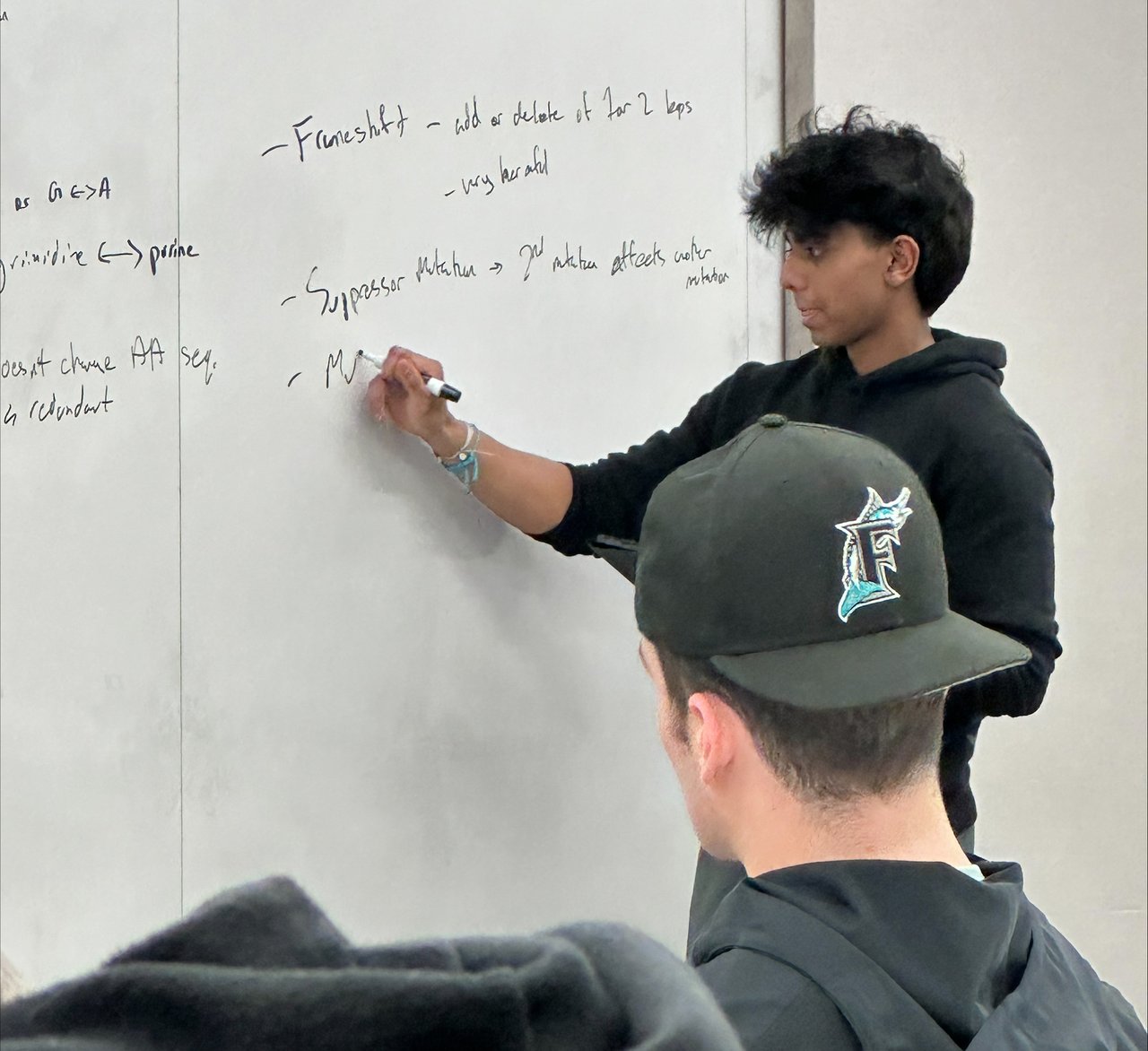
Just as impactful as the findings themselves has been the process of research. “Working on simulations pushed me to move beyond simply running models and toward actually designing questions, interpreting complex datasets and refining methods when results weren’t straightforward,” Khondkar says. Presenting his peptoid research at the Biomedical Engineering Society conference further strengthened his ability to communicate complex science to audiences across disciplinary boundaries.
Faculty mentorship has played a central role in his development, particularly in the biotechnology program in A&S. Courses taught by Professors Surabhi Raina and Allison Oakes helped connect theory with hands-on application, reinforcing the relevance of biotechnology to modern medicine. “Biotechnology was a very foreign field to me before these classes,” he says, “but these teachers helped me understand it well and underscored its importance in medicine.”
As a Coronat Scholar, Khondkar has also learned to consider science within a broader social and global context. Through the program, he studied abroad in Spain, examining environmental changes in the Mediterranean and their effects on local communities and policy. The experience reinforced, he notes, “that being a researcher isn’t just about generating knowledge, but also about considering how that knowledge is used and who it serves.”
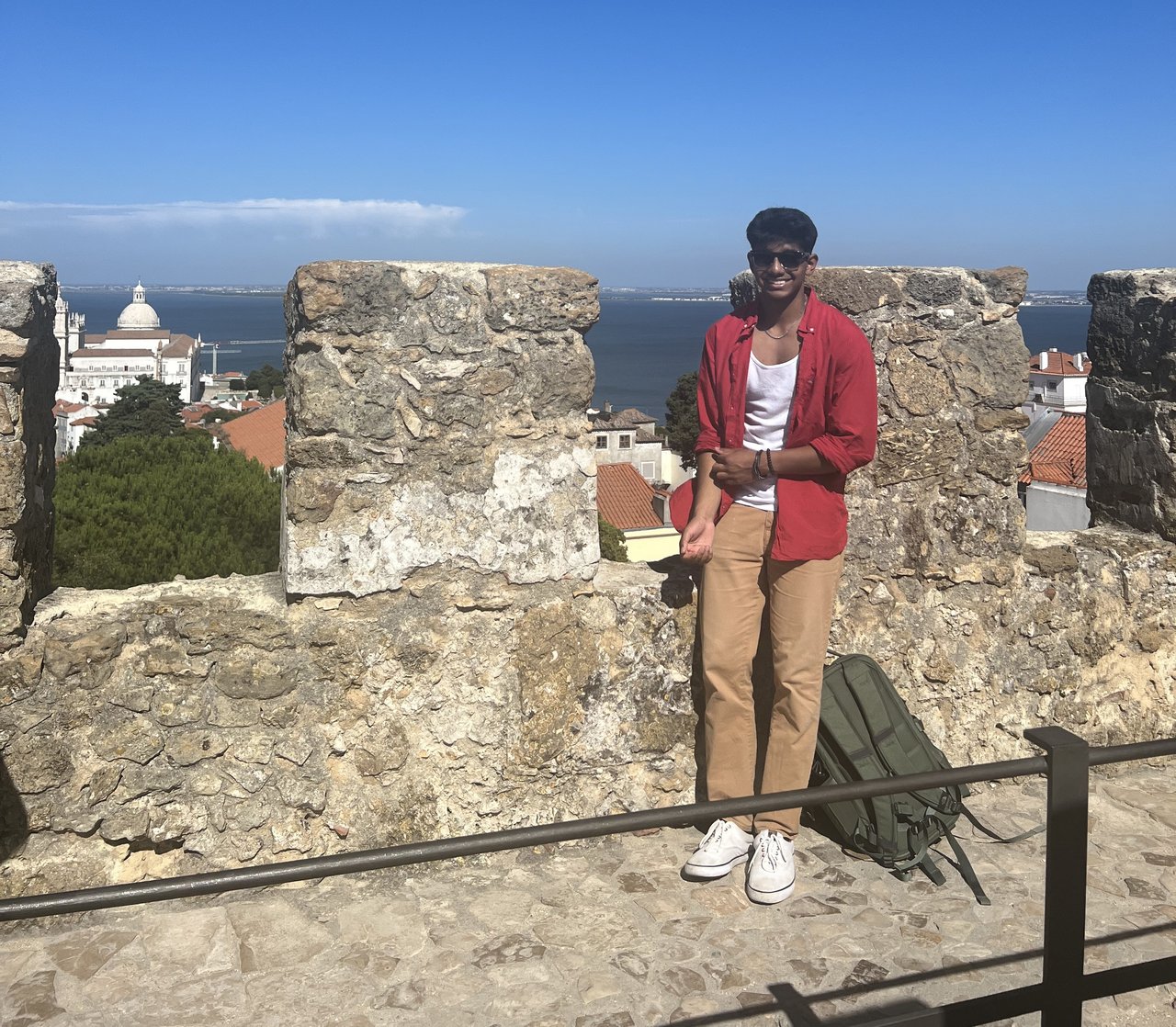
After graduation, Khondkar plans to attend medical school, where he hopes to continue biotechnology research while deepening his engagement with medical ethics and health policy. Looking ahead to a career as a physician, he is particularly interested in using computational biology to develop new therapeutics and contributing to policy discussions surrounding AI, ethics and human rights in medicine.
Probing the Universe’s Secrets
A fascination with the most extreme phenomena in the universe has guided the academic journey of Julia Fancher, a physics and applied mathematics major whose research explores how stars behave under the immense gravitational forces near black holes. Through computational modeling and analytical theory, her work seeks to decode these cosmic events and reveal hidden properties of distant galaxies and their centers.
Fancher’s interest in astrophysics grew from an early love of physics and space, which translated quickly into hands-on research when she arrived at Syracuse University. She joined the high-energy astrophysics lab of Eric Coughlin, assistant professor of physics in A&S, where she began studying tidal disruption events (TDEs), which occur when a star is torn apart by a black hole’s tidal forces. These dramatic events offer a unique window into black hole physics and stellar populations far beyond our own galaxy.
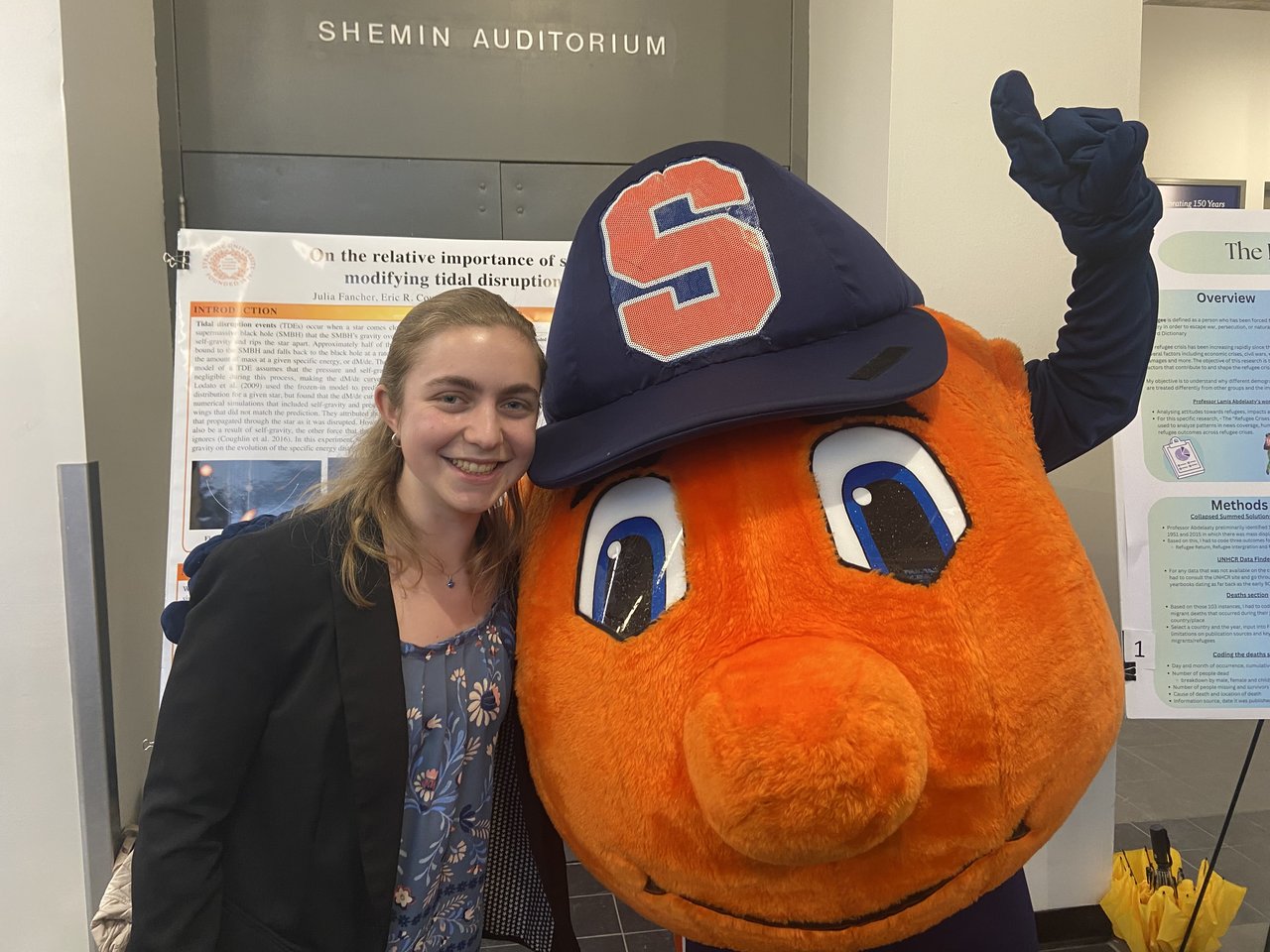
Using a combination of numerical simulations and analytical techniques, Fancher works to model the complex dynamics of TDEs with greater precision. Her research helps improve how astronomers interpret observational data from these phenomena, potentially leading to new insights into the behavior of black holes and the structure of galactic centers. Already, her work has led to national presentations and published research, marking significant contributions at the undergraduate level.
Alongside her research, Fancher has embraced a deeply interdisciplinary student experience. She balances rigorous coursework in physics and applied mathematics with musical performance as a saxophonist in the SU Marching Band, which she says has helped her grow both academically and personally. “I love being able to learn about complex physics topics and go to football games the next day,” she says. “It’s really unique and has definitely let me be the best student I can be while also being the best person I can be.”
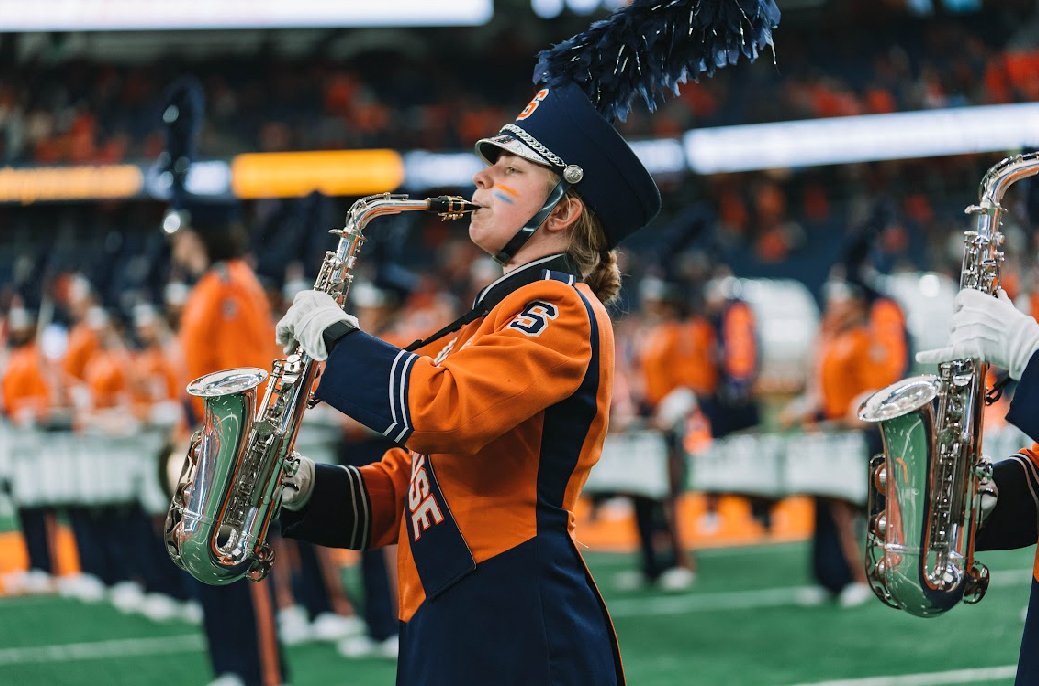
Community engagement has been another defining part of her Syracuse experience. Fancher has taken part in outreach efforts that introduce local high school students to hands-on physics research through the Syracuse University Summer High School Internship Program (SU-SHIP). Volunteering with the program for three consecutive summers, she has mentored students as they conducted laboratory research alongside University faculty. “It’s really exciting to see students get excited about physics,” she says, noting that several participants have gone on to pursue science and physics as a result of the program.
Fancher’s stellar achievements as a student in A&S have drawn recognition at the highest levels. She is a two-time Astronaut Scholar, an honor awarded by the Astronaut Scholarship Foundation to exceptional STEM students demonstrating innovation, initiative and research excellence. The recognition, she says, provided a significant boost of confidence and connected her to a community of peers, astronauts and industry leaders who share similar aspirations.
Faculty mentorship has played a central role in shaping her path, from research guidance to encouragement in pursuing competitive scholarships and awards. “My mentors have been wonderful,” Fancher says. “I would not be where I am today without their help and guidance.”
After graduation, Fancher will continue her academic journey at The Ohio State University, pursuing a Ph.D. in astronomy. There, she is especially eager to explore questions related to stability in radiative stars, building on her foundation in computational and analytical astrophysics. Looking ahead, she hopes to join a research university or national laboratory and, ultimately, become a professor where she can continue expanding our understanding of the universe while mentoring the next generation of scientists.
Published: April 21, 2026
Media Contact: asnews@syr.edu