
News
(July 29, 2026)
A&S Scientists Design Proteins With No Fixed ShapeResearchers at Syracuse University and Washington University School of Medicine in St. Louis developed a computational framework to design and test thousands of disordered proteins at once.
(May 11, 2026)
Foundations of the Future: Micron Day 2026On April 21, the College of Arts and Sciences participated in Syracuse University's second annual Micron Day, showcasing the science and technology shaping Central New York’s future.
(April 2, 2026)
Protein Helps Cells Handle StressSyracuse University scientists learned how a flexible, reshaping protein creates temporary sorting and storing centers in stressed cells to potentially protect their health. A companion study found that disrupting this process could be linked to ALS.

(Feb. 24, 2026)
Called to LeadAn interview with biochemistry major Kaden Buford ’28, who has been selected to join the Institute for Responsible Citizenship’s distinguished Washington Program.

(Feb. 19, 2026)
New “Lock-and-Key” ChemistrySyracuse University researchers are developing a new chemistry platform that could keep therapeutic drugs inactive until they reach a tumor, offering a potential path to safer, more precise cancer treatment.

(Oct. 30, 2025)
Transforming Cancer Treatment with UltrasoundSyracuse University chemists are testing a novel method of using sound waves to activate chemotherapy drugs precisely where they're needed while sparing healthy cells.
(Oct. 2, 2025)
Reimagining Obesity TreatmentA&S chemistry professor Robert Doyle was featured in Bio IT World for pioneering research on a safer, next-generation weight-loss drug.
(Oct. 2, 2025)
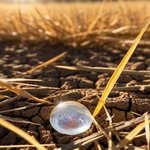
Yeast Proteins Reveal Mysteries of Drought ResistanceSome proteins can survive drying out, returning to function when water is re-introduced. Revealing the chemical rules behind this ability could lead to longer-lasting medicines and drought resistant crops.