
Climate Change and the Environment
Drawing on our expertise in environmental sciences and through our transnational partnerships, A&S faculty and students are driving new solutions to extreme weather events, food insecurity and public health crises. We also work to translate the science into actionable knowledge and practical policies to support resiliency and adaptation locally and around the globe.
Related News Stories
(May 12, 2026)
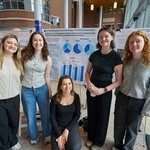
A&S Students Shine at Annual Undergraduate Research FestivalStudents gathered at the Life Sciences Complex to present their work to faculty, staff, peers and guests.

(May 8, 2026)
On-Campus Steam Vent Allows Students to Study the Extremes of LifeSyracuse University researchers found a heat-loving amoeba in a local steam vent, providing an opportunity for undergraduates to develop an exciting project with public health implications.

(May 8, 2026)
EES Professor Quoted in Scientific American on Decoding Earth’s Climate PastProfessor Tripti Bhattacharya was featured in an article exploring how scientists use unconventional natural records to reconstruct Earth’s ancient climate and better understand future climate risks.
(May 6, 2026)
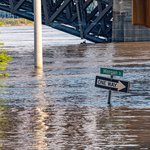
Looking to the Past to Plan AheadEarth sciences professor Tripti Bhattacharya is a coauthor of a new report that supports establishing a national center to study past extremes and improve disaster planning.

(March 5, 2026)
Where Wells Run Deep, Biodiversity Runs ThinA study led by researchers in Syracuse University’s Department of Earth and Environmental Sciences found that traditional oil and gas extraction methods may leave a deeper mark on stream health than fracking.

(Feb. 19, 2026)
Bold New Strategic Plan Energizes A&SThe College of Arts and Sciences’ new Academic Strategic Plan is already inspiring partnerships, creative ideas and a more focused commitment to shaping a healthier future for people and planet.

(Feb. 16, 2026)
From Studying Earth to Saving ItEarth and environmental sciences alumni are tackling climate change, sustainability and environmental policy across the globe.

(Feb. 13, 2026)
A&S Faculty Come Together to Launch ASPThe College of Arts and Sciences hosted an interactive kickoff event for faculty to explore the plan’s pillars, offer feedback and help shape its implementation.
(Jan. 15, 2026)
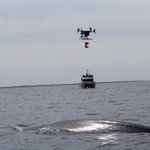
Mapping Meals to Protect WhalesAn A&S researcher is working to develop models to predict whale behavior and prevent ship collisions.
(Jan. 13, 2026)
When Tropical Oceans Were Oxygen OasesResearch reveals when and why ancient tropical seas transitioned from oxygen oases to marine dead zones, providing clues to the long-term evolution of oceanic environments.
(Nov. 10, 2025)
Climate’s Impact on EarthquakesNew research from scientists at Syracuse University and the University of Auckland highlights the connections between climate, tectonics and human evolution.
(Nov. 4, 2025)
Biology Professor Discusses Whale Whispering on PodcastA Syracuse University expert on marine mammal communication was a guest on The Decibel podcast talking about the vocalization of North Atlantic right whales.