
Health and Well-Being
From Parkinson’s to Alzheimer’s to relationships to drug and alcohol use disorders, A&S faculty and students are advancing human health and well-being through pioneering research, interdisciplinary partnerships and community outreach. Collaborations across neuroscience, psychology, biology and more lead to both comprehensive understanding of the disease and also innovative treatment solutions.
-
 Feb. 19, 2026 Bold New Strategic Plan Energizes A&S
The College of Arts and Sciences’ new Academic Strategic Plan is already inspiring partnerships, creative ideas and a more focused commitment to shaping a healthier future for people and planet.
-
 Feb. 19, 2026 New “Lock-and-Key” Chemistry
Syracuse University researchers are developing a new chemistry platform that could keep therapeutic drugs inactive until they reach a tumor, offering a potential path to safer, more precise cancer treatment.
-
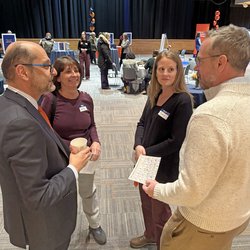 Feb. 13, 2026 A&S Faculty Come Together to Launch ASP
The College of Arts and Sciences hosted an interactive kickoff event for faculty to explore the plan’s pillars, offer feedback and help shape its implementation.
-
 Jan. 15, 2026 Creativity for Healing and Transformation
This spring's Syracuse Symposium programming examines how creative expression bridges divides, amplifies marginalized voices and strengthens our connections to each other and the world around us.
-
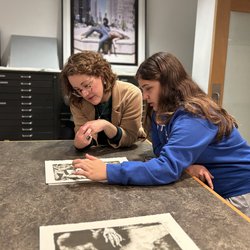 Dec. 3, 2025 Compassionate Care
How hands-on experiences in A&S are shaping the future of empathetic healthcare.
-
 Nov. 21, 2025 Syracuse University Aphasia Lab Clinician Receives National Recognition
The honor recognizes leadership and advocacy work in speech-language pathology.
-
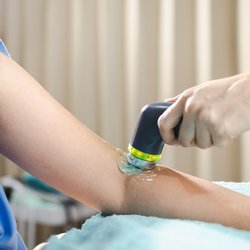 Oct. 30, 2025 Transforming Cancer Treatment with Ultrasound
Syracuse University chemists are testing a novel method of using sound waves to activate chemotherapy drugs precisely where they're needed while sparing healthy cells.
-
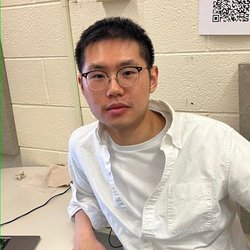 Oct. 23, 2025 Decoding Protein Interactions
Yuming Jiang ’25 turns undergraduate math-based research into a published physics breakthrough that could transform how scientists predict drug-protein interactions.
-
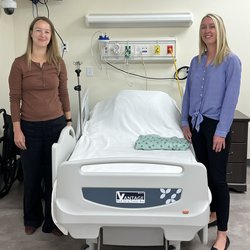 Oct. 13, 2025 Medical Training, On Campus
Students in the Department of Communication Sciences and Disorders have access to a new medical simulation lab, offering hands-on training without leaving campus.
-
 Oct. 2, 2025 Yeast Proteins Reveal Mysteries of Drought Resistance
Some proteins can survive drying out, returning to function when water is re-introduced. Revealing the chemical rules behind this ability could lead to longer-lasting medicines and drought resistant crops.
-
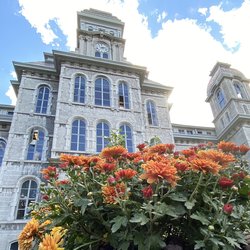 Sept. 15, 2025 Distinguished Scholars Join A&S Faculty in Fall 2025
The cohort of new faculty exemplifies the College's commitment to interdisciplinary collaboration and problem-solving.
-
 Sept. 4, 2025 Game On! A&S Grads’ Sports Careers
From medicine to media to community leadership, Syracuse University’s College of Arts and Sciences alumni are proving that a liberal arts education is foundational to success in the sports world.
-
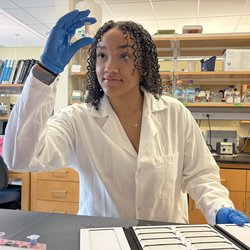 Aug. 28, 2025 Summer Research: Major Impact
Step into the labs where students spent their summer developing research-driven responses to global challenges, blending curiosity with impact.
-
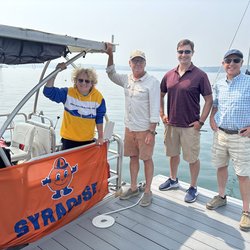 Aug. 22, 2025 Safer Lakes, Cleaner Water
A new lakebed mapping initiative on Skaneateles Lake is helping scientists pinpoint nutrient-rich sediments that fuel harmful algal blooms (HABs), a growing threat to Syracuse’s major drinking water source.
-
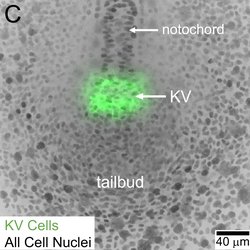 Aug. 18, 2025 Forces Shape Organs
Researchers have discovered that the slow, steady physical forces of tissues pushing and pulling on developing organs are just as important as genes and biochemistry in shaping how organs form in animal embryos.
-
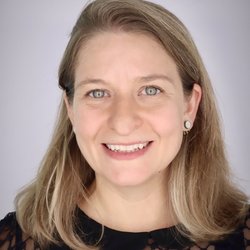 Aug. 14, 2025 New Endowed Professor Appointed
Sarah L. Karalunas, a Syracuse native, has been named Cobb-Jones Clinical Psychology Endowed Professor.
-
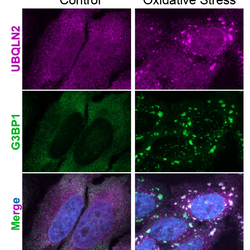 Aug. 7, 2025 Protein Droplets: A New Way to Understand Disease
Syracuse University scientists are exploring how our cells use tiny, temporary droplets to gather, fix or degrade damaged proteins in a new multidisciplinary research effort that could have implications in treating diseases such as Alzheimer’s and ALS.
-
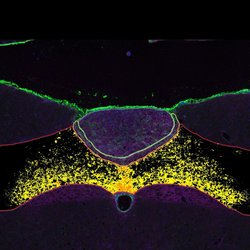 July 30, 2025 Shortcut to Weight Loss: No Nausea Required
Medicinal chemists at Syracuse University have identified a potential new way to help people lose weight without the nausea and vomiting that make most patients stop taking popular drugs like Ozempic.
-
 July 1, 2025 A&S Expands Health-Related Academic Offerings
The Department of Human Development and Family Science joins the College of Arts and Sciences, enhancing interdisciplinary collaboration, enriching student opportunities and advancing research that supports individuals and families across their lives.
-
 Feb. 27, 2025 'Never Take No for an Answer'
A&S alumna Phyllis E. Greenberger ’64 transformed the landscape of women's health research.