
Integrating Writing Across Disciplines
Editor’s Note: The following article was written by Nurzharkyn Samigolla, assistant director of Writing Across the Curriculum and a second-year Ph.D. student in writing studies, rhetoric and composition.
While we all know that writing is essential to how people learn, develop ideas and create knowledge, writing can differ in important ways across disciplines. How can faculty members integrate writing assignments into classes so that students are not confused? And how can students benefit from seeing the writing process as ongoing work, rather than focusing only on a final product?
These topics were discussed during a panel session called “Using Writing to Increase Student Engagement Across Disciplines” on February 20, 2026. The panelists, Faculty Fellows from Syracuse University’s Writing Across the Curriculum (WAC) program, discussed their efforts to integrate meaningful writing activities into their courses so that students can use writing as a tool for experiential learning and critical reflection.
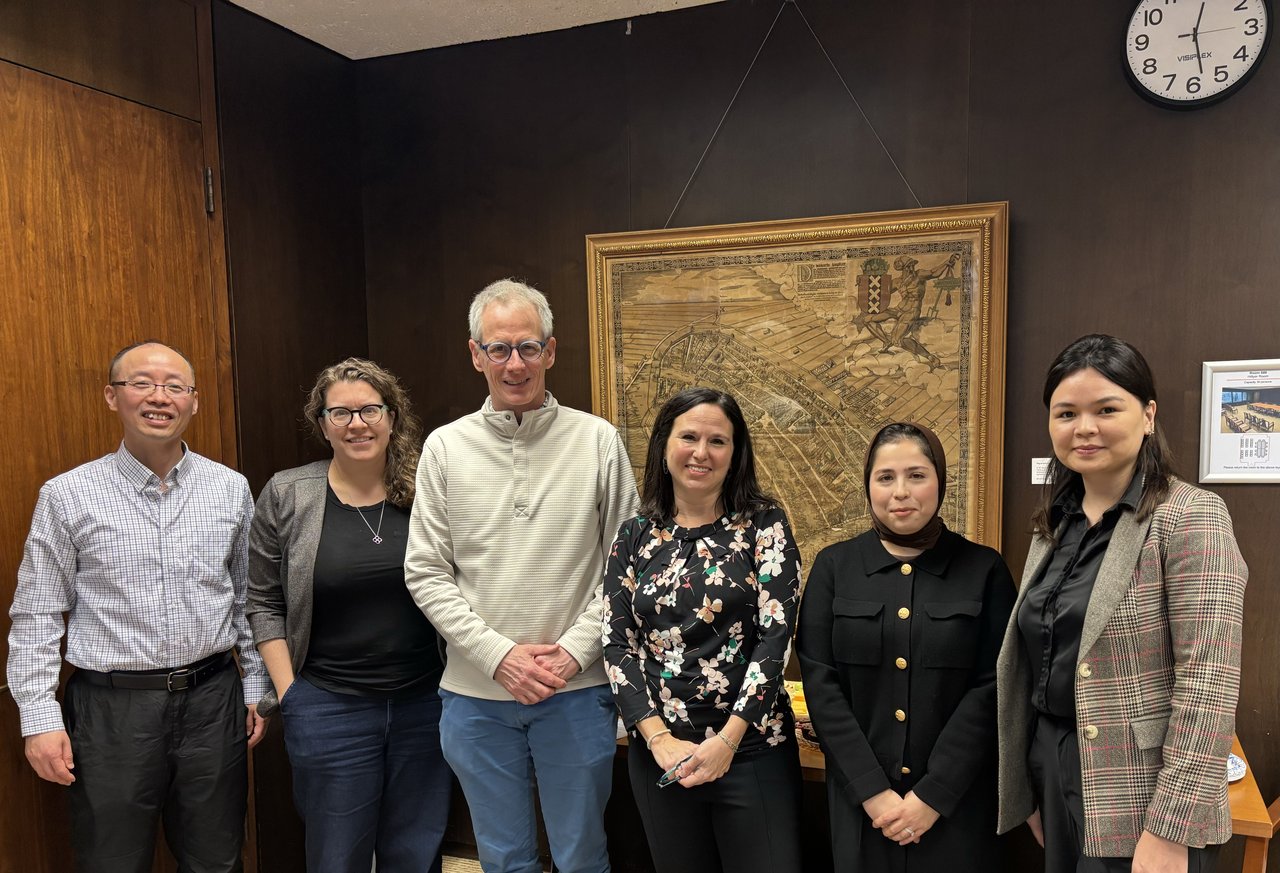
WAC is an educational approach that recognizes writing as central to learning in every discipline. Whether students are studying biology, history, psychology, or public affairs, writing helps them analyze ideas, develop arguments and communicate knowledge. Syracuse’s WAC program was established in 2018 by Patrick W. Berry, associate professor of writing and rhetoric, with the support of Steve Parks, Ben Erwin and Ana Cortés Lagos. Today, the program is directed by Emily Dressing, associate teaching professor of writing and rhetoric, with the assistance of assistant director Nurzharkyn Samigolla. They work with faculty across the College of Arts and Sciences and the Maxwell School to strengthen the role of student writing in graduate and undergraduate classes. WAC received the prestigious 2020-21 Conference on College Composition and Communication (CCCC) Writing Program Certificate of Excellence.
Dressing explains that the WAC program provides unique opportunities for faculty across departments to collaborate on improving and integrating more writing into their courses. The program includes workshops, consultations, collaborative discussions and it carries a stipend for participants, fostering a community of educators committed to support student writing and learning. As she says, “In that sense, it is truly a fellowship, where faculty members work together as a cohort to redesign their course materials and refine their pedagogy.”
Faculty who participate in the fellowship consistently report positive outcomes. Many note that students become more engaged during class sessions and develop a clearer understanding of the purpose of writing assignments. Course evaluations also reflect increasingly positive student feedback about writing activities, suggesting that when writing is thoughtfully integrated into courses, students recognize its value for learning.
Participants in the 2025–2026 fellowship highlight how the program has influenced their teaching.
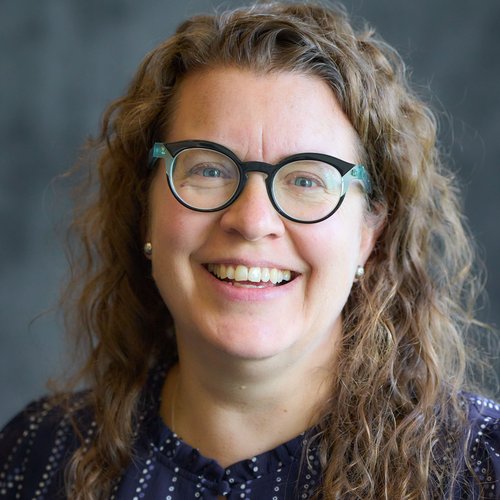
Professor Heather Coleman (biology) notes that teaching a course in which students write their undergraduate thesis can be both exciting and challenging. She notes that the support from WAC helped her design more carefully scaffolded assignments that guide students through the thesis-writing process: “Through the WAC program, I have incorporated low-stakes assignments that students can revise throughout the semester and introduced a peer review process for each semester's final writing assignment.”

Professor Albrecht Diem (history) values the opportunity to receive feedback and learn from colleagues, who provide feedback on course assignments in both individual and workshop sessions. He mentions, “Two of my main challenges are designing assignments that integrate the use of AI and thinking about assignments that engage with the current political and societal environment and uphold the University’s commitment to diversity and inclusion."
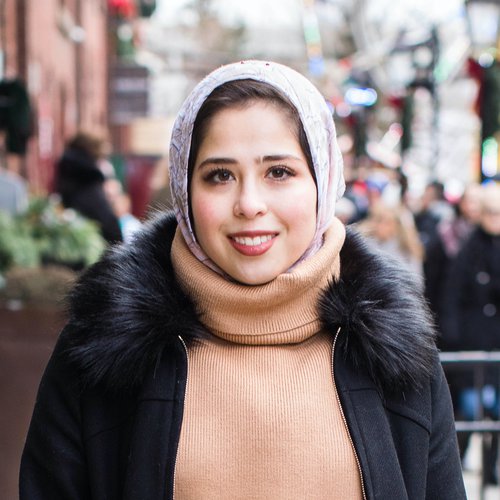
Professor Zahra Vahedi (psychology) reports that the fellowship helped her critically examine her own ideas about writing and its role in the classroom. She points out, “Through workshops, guided discussions, reflective assignments, and curated resources, I have become far more intentional and nuanced in how I approach reading and writing with my students."
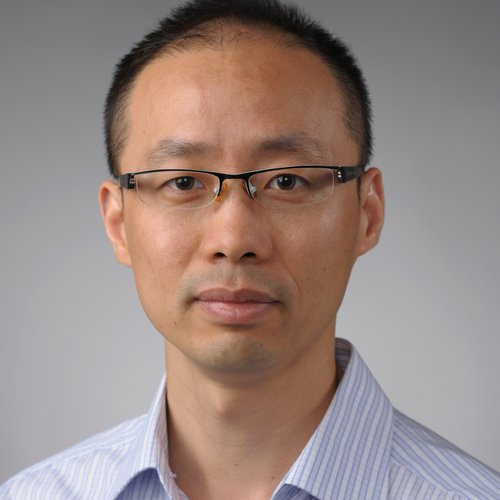
Professor Weiwei Zheng (chemistry) views writing as both a tool for learning and a key part of research development: “Through these WAC-inspired practices, I aim to make writing a transformative part of students’ academic and professional growth." He highlights how these practices also help students articulate their goals, craft coherent narratives, and present their work effectively.
SU’s WAC program has also shown that now, more than ever, these human-to-human conversations are essential for both students and faculty at Syracuse University. As we grapple with the implications of generative AI both within and beyond our classrooms, collaborative cross-disciplinary discussions about the role of student writing are increasingly essential in the College of Arts and Sciences.
The 2026-27 WAC Fellows are Sarah Pralle (political science), Colleen Cameron (human development and family science), Ellen Hebden (art and music histories) and Jeewon Oh (psychology).
Learn more about the Writing Across Curriculum.
Published: March 18, 2026
Media Contact: asnews@syr.edu