
Benvenuti in Italia!
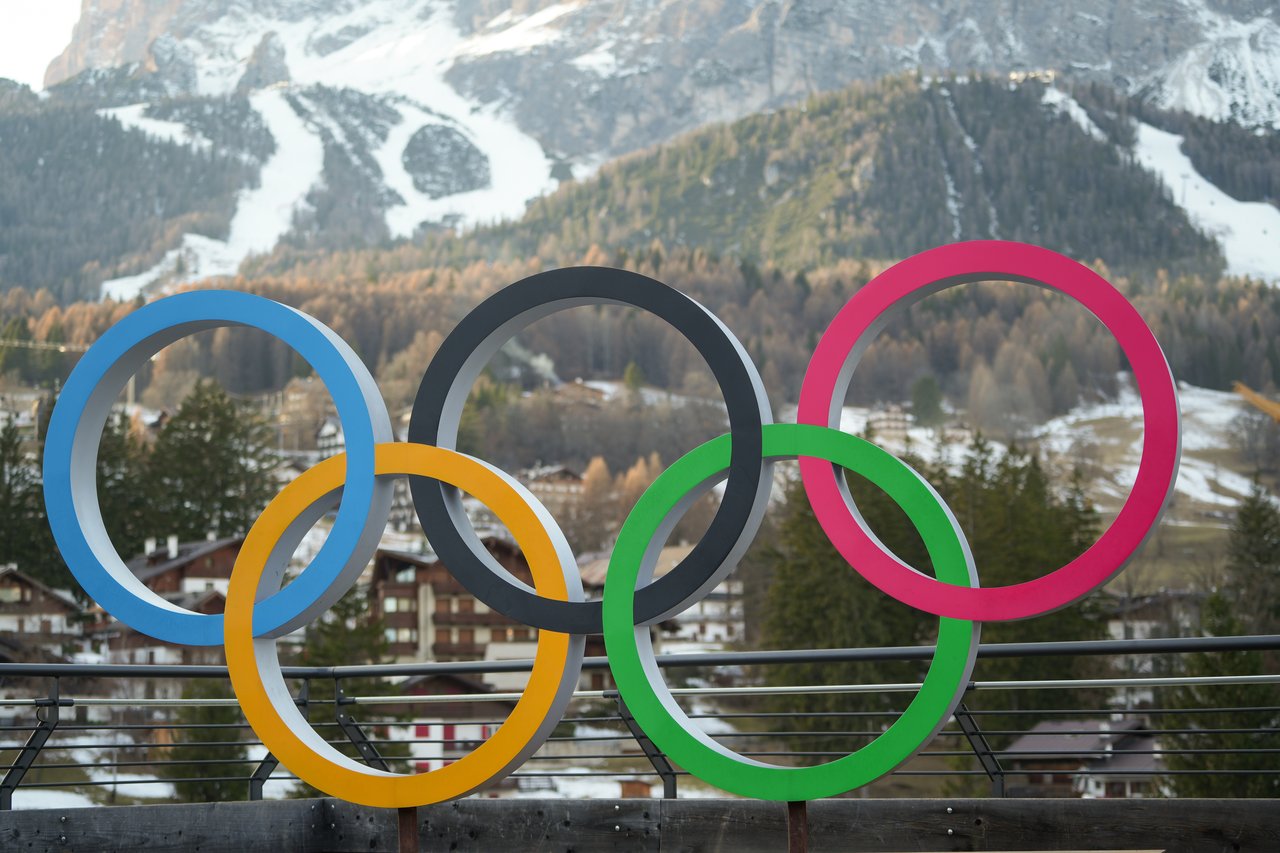
All eyes are on northern Italy for the 2026 Winter Olympics. This marks the fourth time Italy has hosted the Games, following Rome (summer 1960), Cortina d'Ampezzo (winter 1956) and Turin (winter 2006). To help get ready for this year's competition, the College of Arts and Sciences (A&S) caught up with Professors Stefano Giannini, Anne Leone and Lauren Surovi, who all teach in A&S’ Italian Studies program in the Department of Languages, Literatures and Linguistics, to learn more about the culture, language and cuisine that make northern Italy a gold-medal destination.
What dialects and languages are spoken in host regions Milan and Cortina d'Ampezzo, and how do they reflect Italy's linguistic diversity?
The linguistic landscape of Italy is extremely complex, with dozens of regional and local dialects spoken alongside standard Italian throughout the country. Dialects such as milanese, ladino, and veneto are native to millions of people in the Northeastern regions of Lombardy, Veneto and Trentino-Alto Adige. The situation is so nuanced that even the small town of Cortina d’Ampezzo has its own language, called ampezzano (or anpezàn), which combines features from the ladino and veneto dialects and is spoken by approximately 3,000 people.
How do regional identities in northern Italy shape the way these Olympics are being celebrated?
There is a long history of winter sports in northern Italy’s mountainous regions, home to the Dolomite Mountains, a distinct range within the larger Alpine region, known for their pale rocks and dramatic, jagged peaks. This geographic connection is reflected in the names of several events, such as Alpine skiing and lo sci alpinismo (known in English as ski mountaineering). An appreciation for the Dolomites’ natural beauty is a defining feature of the cultures of these areas.
What makes the Alps culturally significant in Italian history and identity?
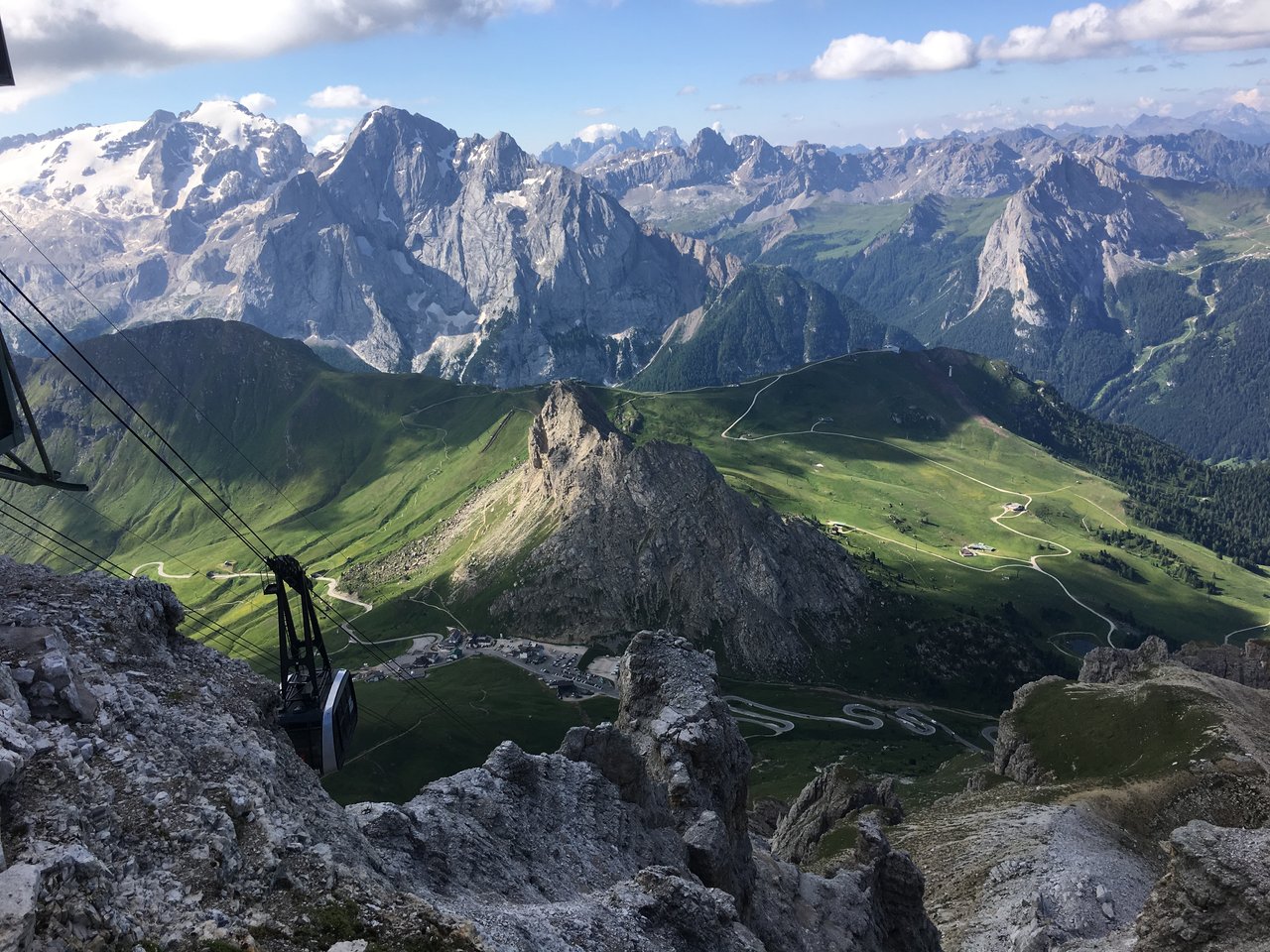
Northern Italy’s majestic mountain ranges—such as the Dolomites, a striking subrange of the Eastern Alps—have long served as both a physical and cultural border between Italy and central Europe. When we look at the climate, the Alps function as a barrier against the more frigid temperatures that would otherwise affect the mild temperatures that have marked much of Italy’s characterization as the “garden of Europe.”
While the residents immediately south and north of the Alps share many cultural traits, these mountains are the geographical and political border between Italy and, from west to east, France, Switzerland, Austria and Slovenia. Their importance in political terms is paramount. In medieval times, the emperors had to cross the Alps to get to Rome to be crowned by the Popes. In more recent times, the Alps were the locations of battles between the new Italian state and the central Empire. Today, visitors can still find the remnants of those battles (trenches, bunkers, covered walkways used by soldiers during the First World War). South of the Alps, residents speak Italian and many other local dialects rooted in Latin. North and west of the Alps residents speak German and Slavic languages. Germanic languages are spoken in the Italian province of Alto Adige, where some of the Winter Olympic events will be held.
Beyond 'ciao,' what are some essential Italian winter sports terms and expressions that viewers should know during the games?

- Forza Azzurri! — Go Blue Team! (blue is the color of the Italian national team)
- il bob — Bobsleigh / Bobsled
- l’hockey su ghiaccio — Ice hockey
- il pattinaggio artistico — Figure skating
- il pattinaggio di velocità — Speed skating
- la combinata nordica — Nordic combined
- lo sci alpino — Alpine skiing
- lo sci di fondo — Cross-country skiing
- lo sci freestyle — Freestyle skiing
- il salto con gli sci — Ski jumping
- lo snowboard — Snowboarding
- lo slittino — Luge
What regional food specialties from Lombardy, Veneto and Trentino-Alto Adige might gain international attention during the Olympics?
Northern Italian Cuisine: Key Ingredients and Characteristics
- Butter and cream – Used more often than olive oil, especially in sauces and risottos.
- Rice and polenta – Often more common than pasta; risotto and polenta are staples.
- Stuffed pasta – Northern Italy is known for tortellini, agnolotti and casoncelli (crescent-shaped filled pasta).
- Game meats and beef – Dishes featuring venison, boar, and beef are common.
- Freshwater fish – Trout and perch are popular near lakes and rivers.
- Cheese varieties – The North produces some of Italy’s most famous cheeses, including Parmigiano Reggiano, Gorgonzola, Taleggio, Fontina, Grana Padano and Asiago (you can visit this town too, which is just a couple hours from Cortina).
- Bread-based dishes – Various bread types, like panettone, focaccia and grissini.
- Wine and spirits – Regions like Piedmont and Veneto produce famous wines (Barolo, Amarone) and spirits like grappa.
Regional Specialties:
Lombardy (region whose capital is Milan)
- Risotto alla milanese – Saffron-infused risotto.
- Ossobuco – Braised veal shank with gremolata.
- Panettone – Traditional Christmas sweet bread.
Veneto (region whose capital is Venice)
- Risotto al nero di seppia – Risotto with squid ink.
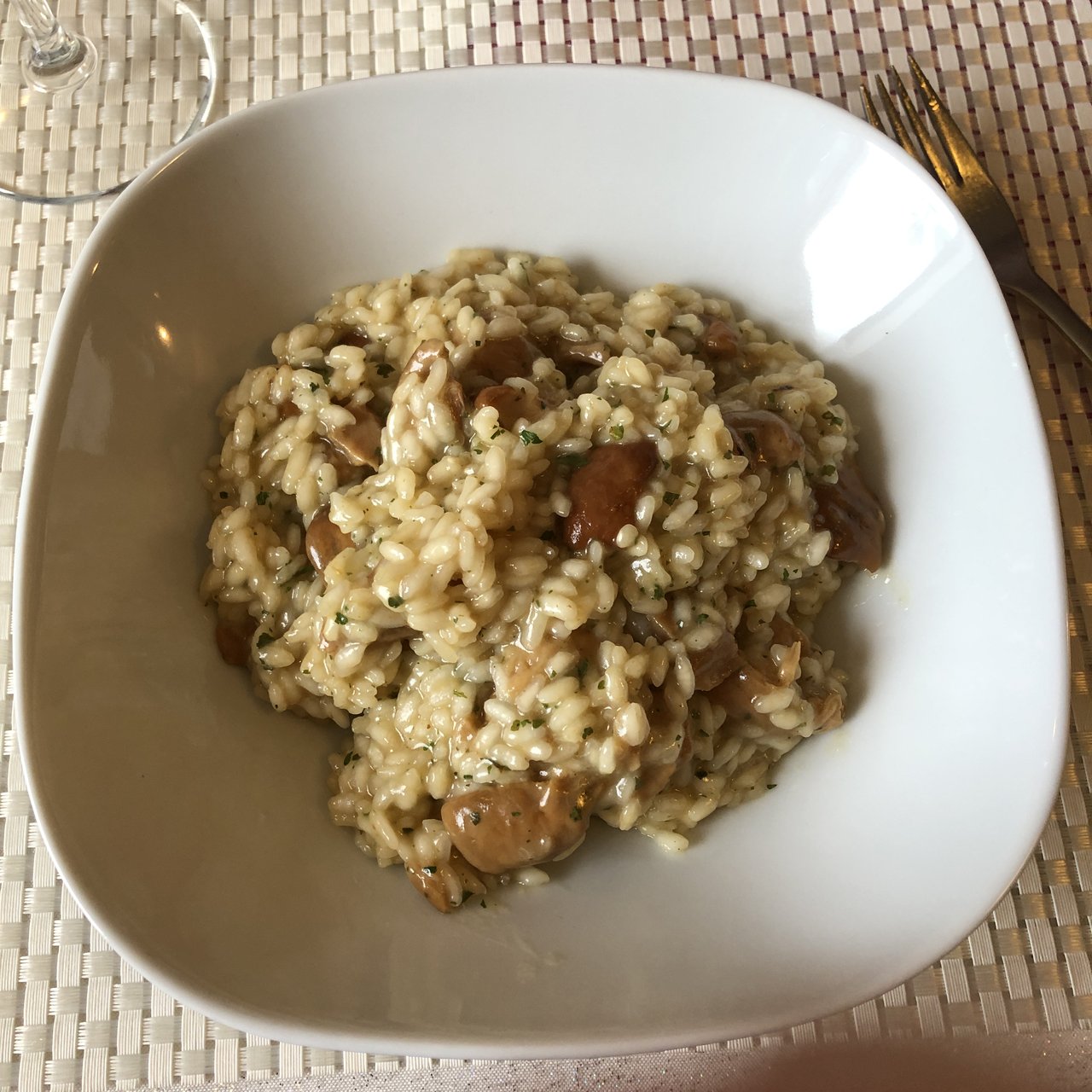
- Risotto all’amarone – Signature dish from Verona, Italy that features high-quality local ingredients: Vialone Nano rice, Amarone della Valpolicella red wine and Monte Veronese cheese.
- Baccalà mantecato – Creamy whipped salt cod.
- Tiramisù – The famous dessert originated in Veneto.
Trentino-Alto Adige (region whose capital is Trento)
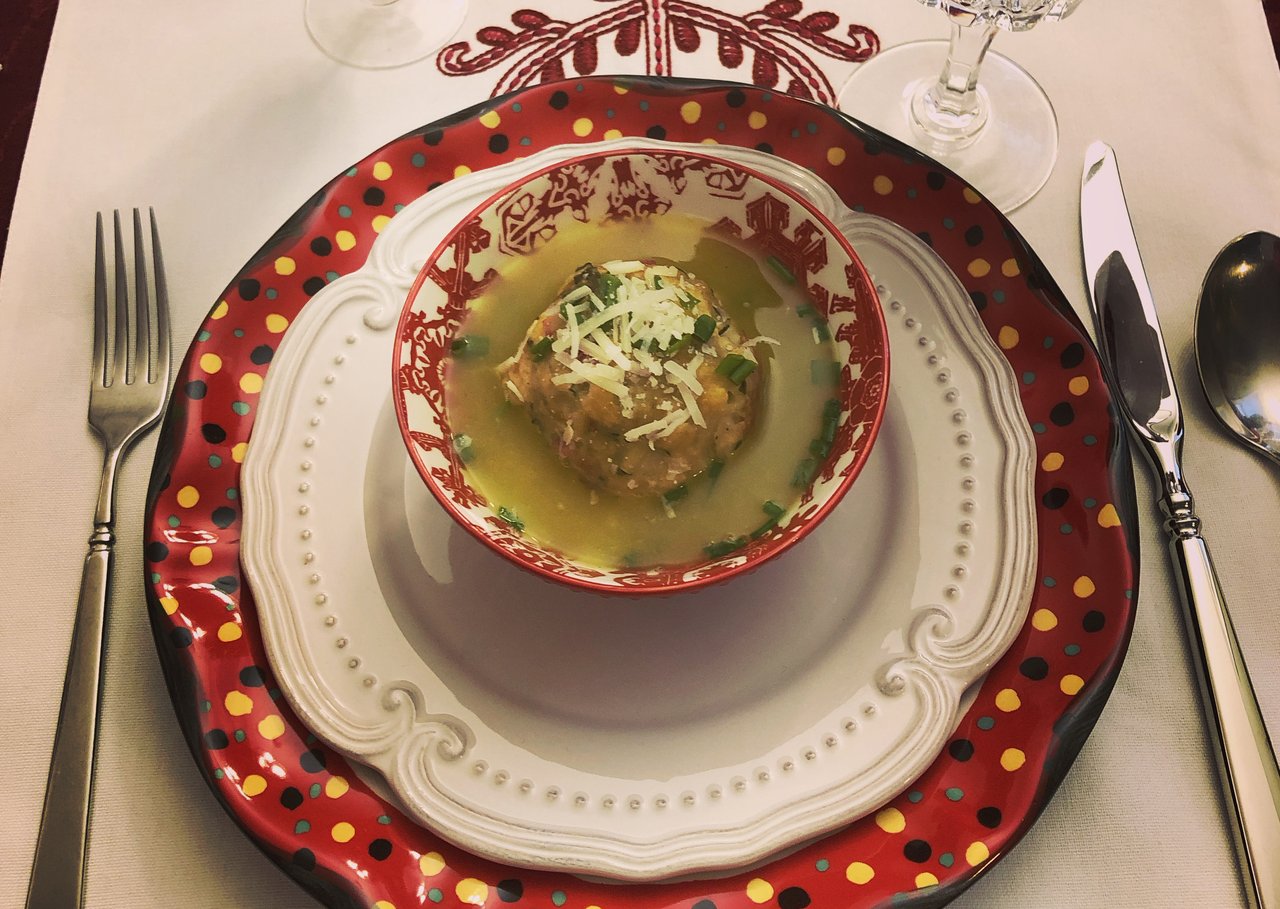
- Canederli – Bread dumplings often served in broth.
- Speck – Smoked, cured ham.
- Strudel di mele – Apple strudel, showing Austrian influence.
- Gelato con lamponi caldi – Ice cream with warm raspberries.
Cortina d’Ampezzo and the Val di Fiemme (two mountain areas in the Dolomites)
- Casunziei all’ampezzana – Traditional stuffed pasta with a filling that typically contains beets, potatoes and ricotta.
- Patate all’ampezzana - Potatoes prepared in the Ampezzo style. This typically refers to sliced potatoes baked with onions, sometimes with added ingredients like speck (smoked ham) or cheese, characteristic of the mountain cuisine of that region.
Explore more: The YouTube series Pasta Grannies features episodes about the Olympic region (Menudoli and Ambleti). You can also check out Stanley Tucci’s journeys through northern Italy in Tucci in Italy (Trentino-Alto Adige) and Searching for Italy (Milan).
As the Winter Games spotlight the vibrancy of northern Italy, discover what studying Italian can open up for you. Learn more about the Italian Studies program at Syracuse University.
Published: Feb. 5, 2026
Media Contact: asnews@syr.edu