
Mapping Meals to Protect Whales
Key Takeaways:
- A Critical Mission: A behavioral ecologist in the College of Arts and Sciences has received funding from the National Science Foundation and the Paul Allen Foundation to develop predictive models for whale behavior in shipping lanes.
- New Approach: The research team will combine whale movement data with satellite imagery of prey patches to forecast where whales will feed.
- Life-Saving Potential: The project could provide mariners with advance warning of whale feeding areas, allowing vessels to slow down or change course before collisions occur.
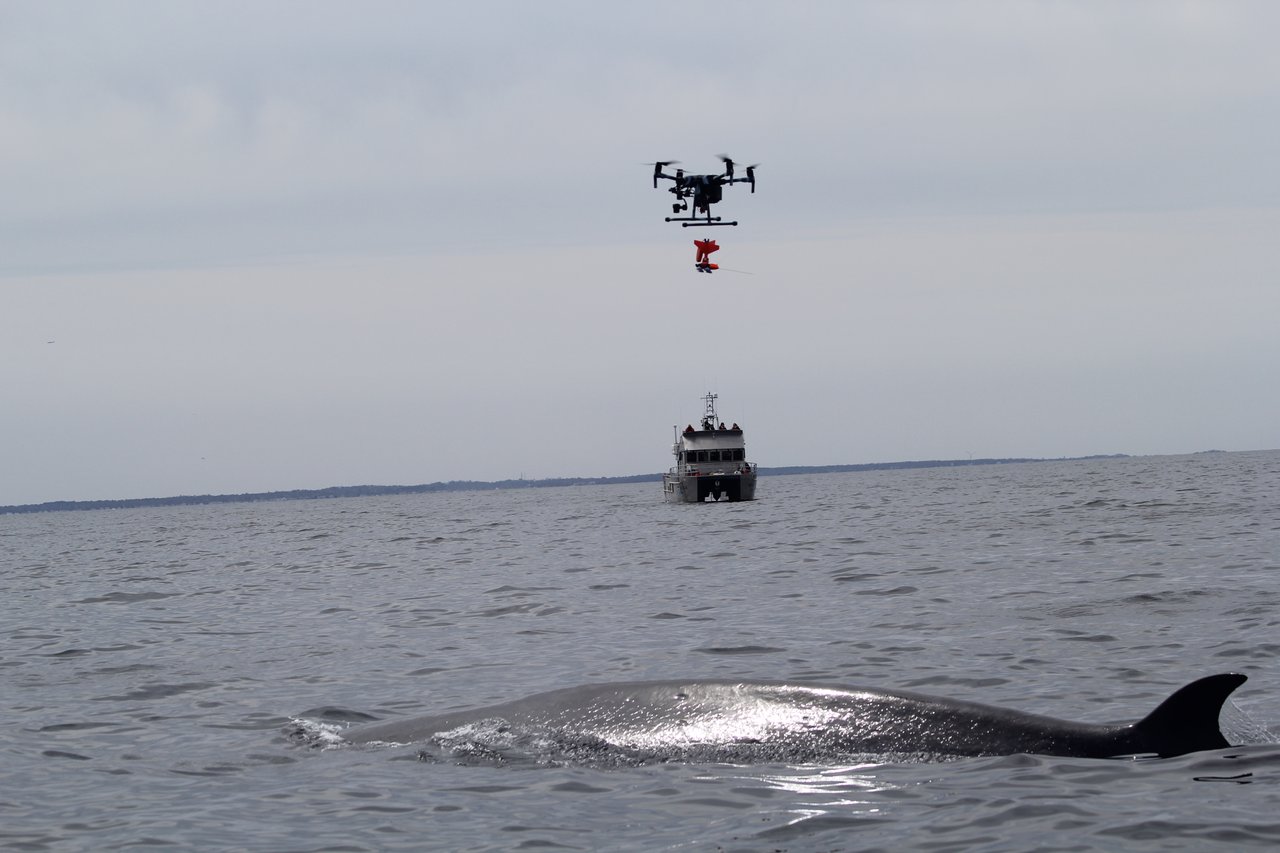
When colossal cargo vessels and whales navigate the same waters, their encounters can end in tragedy. In May 2024, a cruise ship arrived at a New York City port with a 44-foot endangered sei whale draped across its bow—fatally struck during the voyage. Such collisions pose a catastrophic threat to endangered whale populations, including North Atlantic right whales and sei whales, which frequently feed near busy shipping lanes like those off the coasts of Massachusetts.
For massive cruise and cargo ships, changing course quickly isn’t an option. If a whale appears in their path, collisions are often unavoidable. That’s why predicting whale locations in advance is critical—allowing vessels to chart safer routes from the very beginning of their journey. This is where biologists from Syracuse University’s College of Arts and Sciences come in.
Pinpointing when and where these collisions are most likely to occur is the focus of a research project led by Dana Cusano, a research assistant professor in Syracuse University’s Department of Biology and member of Professor Susan Parks’ Bioacoustics and Behavioral Ecology Lab. The project is a collaboration with the International Fund for Animal Welfare, the Stellwagen Bank National Marine Sanctuary, Stony Brook University and the Massachusetts Institute of Technology.
Cusano recently received grant funding from the National Science Foundation and Allen Family Philanthropies to lead a four-year study focused on two endangered whale species: the North Atlantic right whale—of which only about 372 individuals remain—and the sei whale, classified as depleted under the Marine Mammal Protection Act. Both species share a risky feeding behavior that puts them in the path of maritime traffic: they hunt near the ocean’s surface, making them especially vulnerable to ship strikes.
Feeding Forecast
Traditional approaches to preventing ship strikes have relied on tracking whales in real time. Cusano is taking a fundamentally different approach by developing predictive models that anticipate where whales will go next. The research combines detailed studies of whale movement patterns, both at the surface and underwater, with advanced satellite imagery that can identify concentrations of zooplankton prey from space.
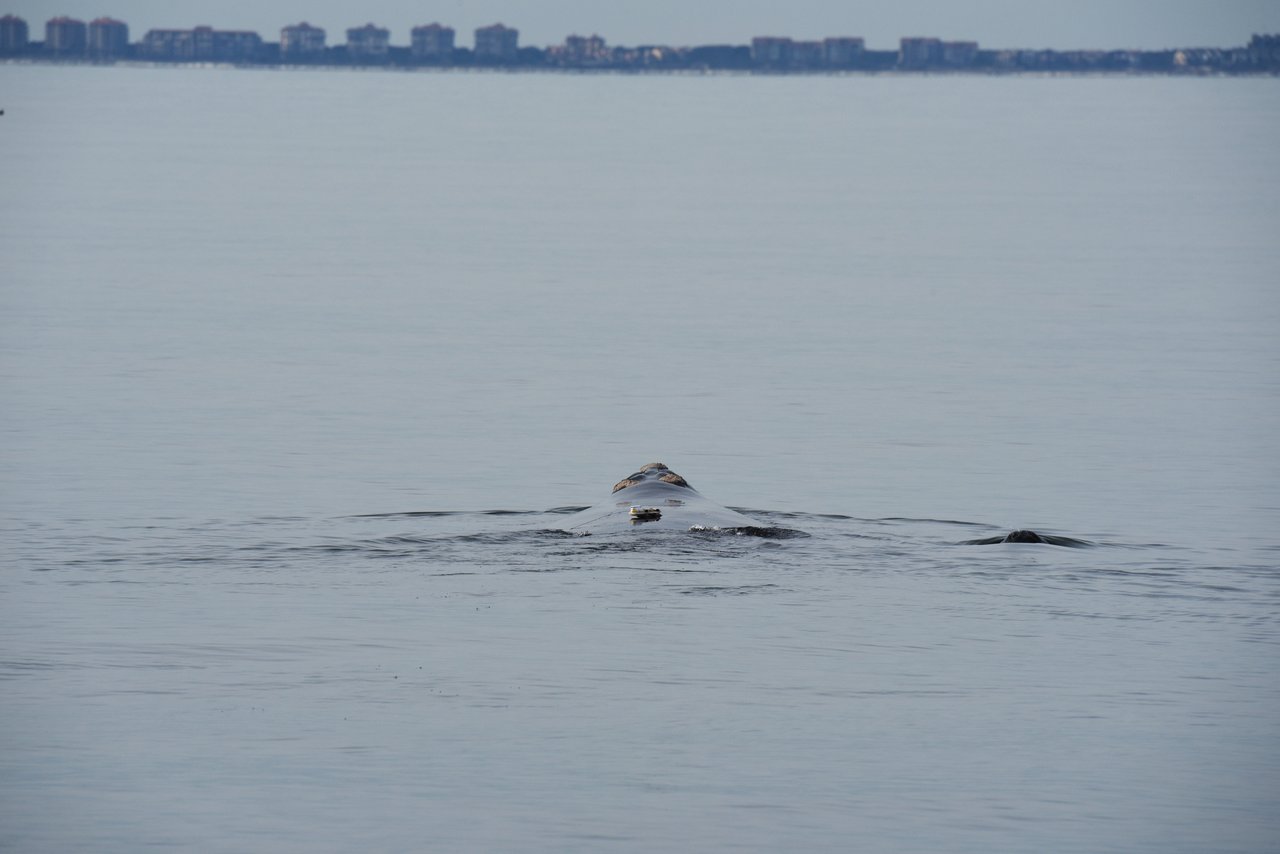
"We're essentially creating a forecasting system for whale behavior," Cusano says. By understanding the conditions that drive feeding behavior and mapping prey hotspots from satellite data, the models aim to provide early warning systems for areas where whales are likely to congregate.
“The technology represents a significant advancement in marine conservation,” Cusano notes. “Current methods often involve detecting whales after they've already arrived in shipping lanes, leaving little time for vessels to adjust their routes.”
The new predictive approach could provide hours or even days of advance notice, giving mariners sufficient time to implement safety measures.
The research will focus specifically on Massachusetts Bay and the Stellwagen Bank National Marine Sanctuary, areas known for both heavy shipping traffic and important whale feeding grounds. These waters serve as a natural laboratory where researchers can study the complex interactions between whale behavior, prey availability and shipping patterns.
The project's immediate applications could transform maritime safety protocols. When models predict high probability feeding areas, shipping companies could receive automated alerts recommending reduced speeds or alternate routes. Slower vessel speeds significantly reduce the likelihood of strikes, the severity of injuries and damage to the vessel when collisions do occur.
Conservation at a Critical Moment
The timing of this research proves particularly crucial for North Atlantic right whales. Recent population assessments suggest the species may be experiencing a reproductive crisis, with fewer calves born each year and increased mortality from human activities. Every individual whale lost to ship strikes represents a significant blow to the species' survival prospects.
The sei whale faces different but equally serious challenges. As one of the least studied large whale species, basic information about their behavior, population size and habitat requirements remains limited. They also experience ship collisions at rates higher than expected. This research will contribute essential data about sei whale ecology while developing tools to protect them from collisions with ships.
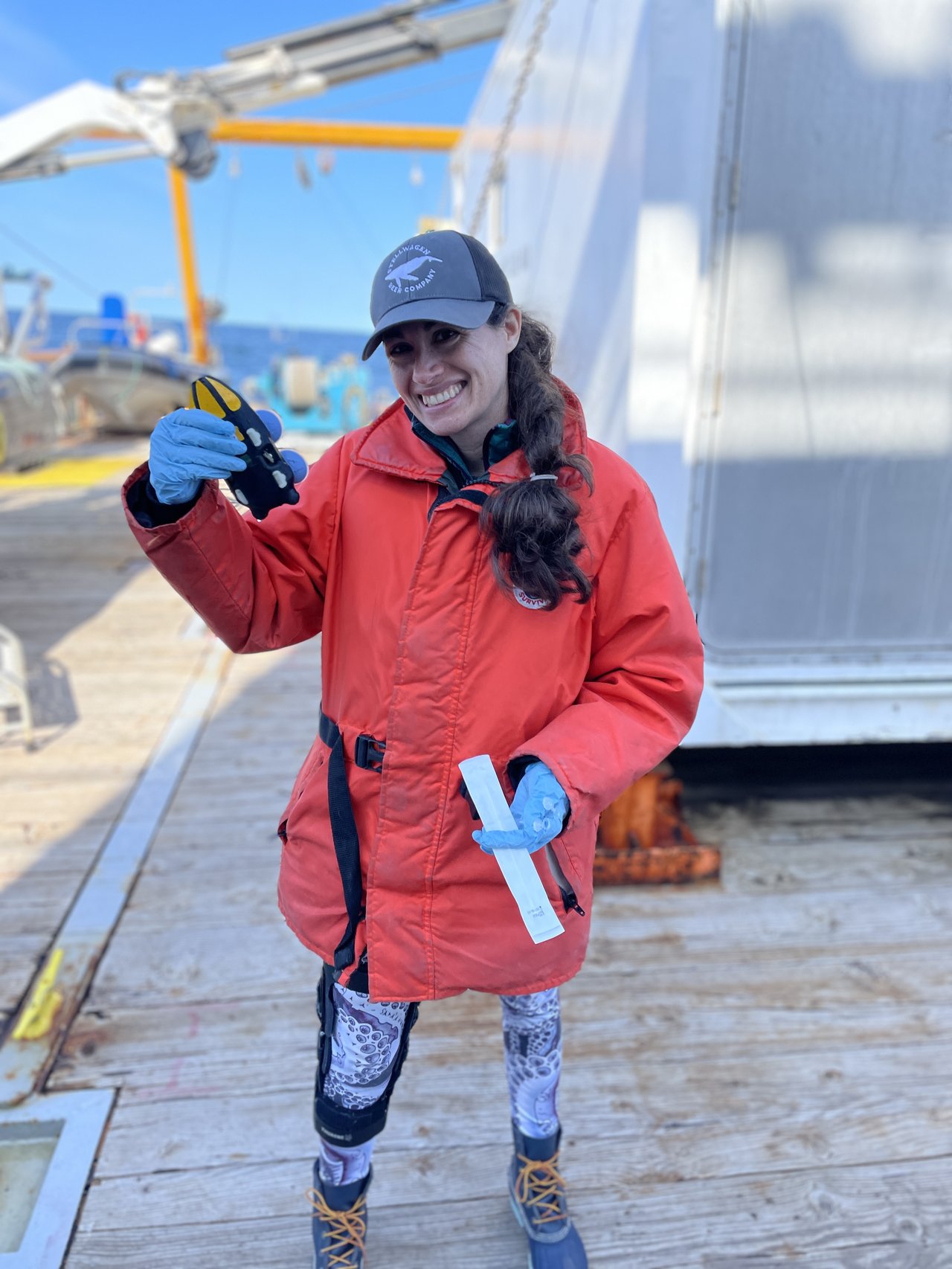
Cusano's approach reflects a new generation of conservation science that combines traditional biological research with cutting-edge technology. The integration of satellite remote sensing, behavioral ecology and predictive modeling represents the kind of interdisciplinary collaboration necessary to address complex environmental challenges.
Building Conservation Strategies
The project's success could establish a model for protecting marine mammals in high-traffic areas worldwide. Shipping lanes intersect with critical habitat for numerous whale species across the globe, from blue whales off California to humpback whales in Australian waters.
The research will also contribute to training the next generation of marine conservation scientists at Syracuse University. Graduate students and early-career researchers working on the project will gain experience with advanced analytical techniques and collaborative approaches that define modern conservation biology.
The over $2 million investment represents more than funding for a single research project—it's an investment in developing the scientific tools necessary to safeguard marine mammals in an increasingly crowded ocean.
“For whales hovering on the edge of extinction, this research represents an important opportunity to develop effective protection strategies,” says Cusano. “As global shipping traffic increases, the need for proactive conservation measures becomes ever more urgent.”
Published: Jan. 15, 2026
Media Contact: asnews@syr.edu
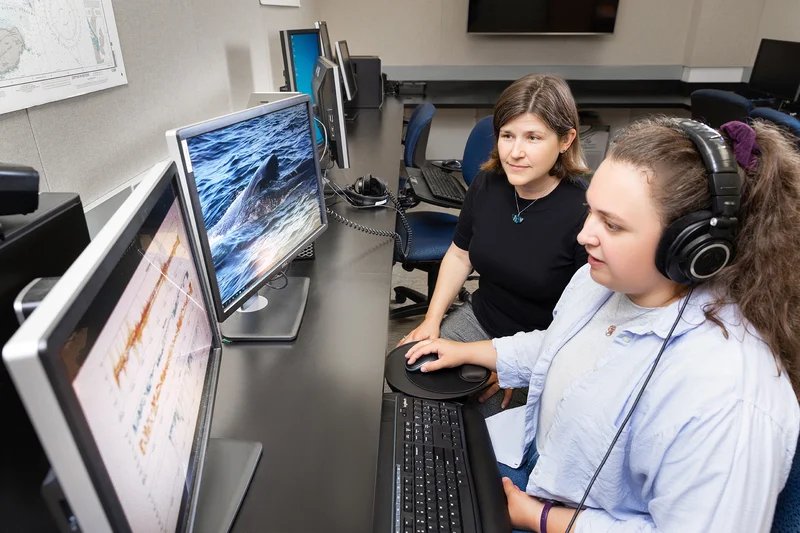
Bioacoustics and Behavioral Ecology Lab
A&S biologists are exploring how marine and terrestrial animals use sound—from the calls that shape ecosystems to the signals that connect species.
Climate Change and the Environment
See how A&S faculty and students are driving new solutions to extreme weather events, food insecurity and public health crises.