
Building Connection, Communication and Well-Being
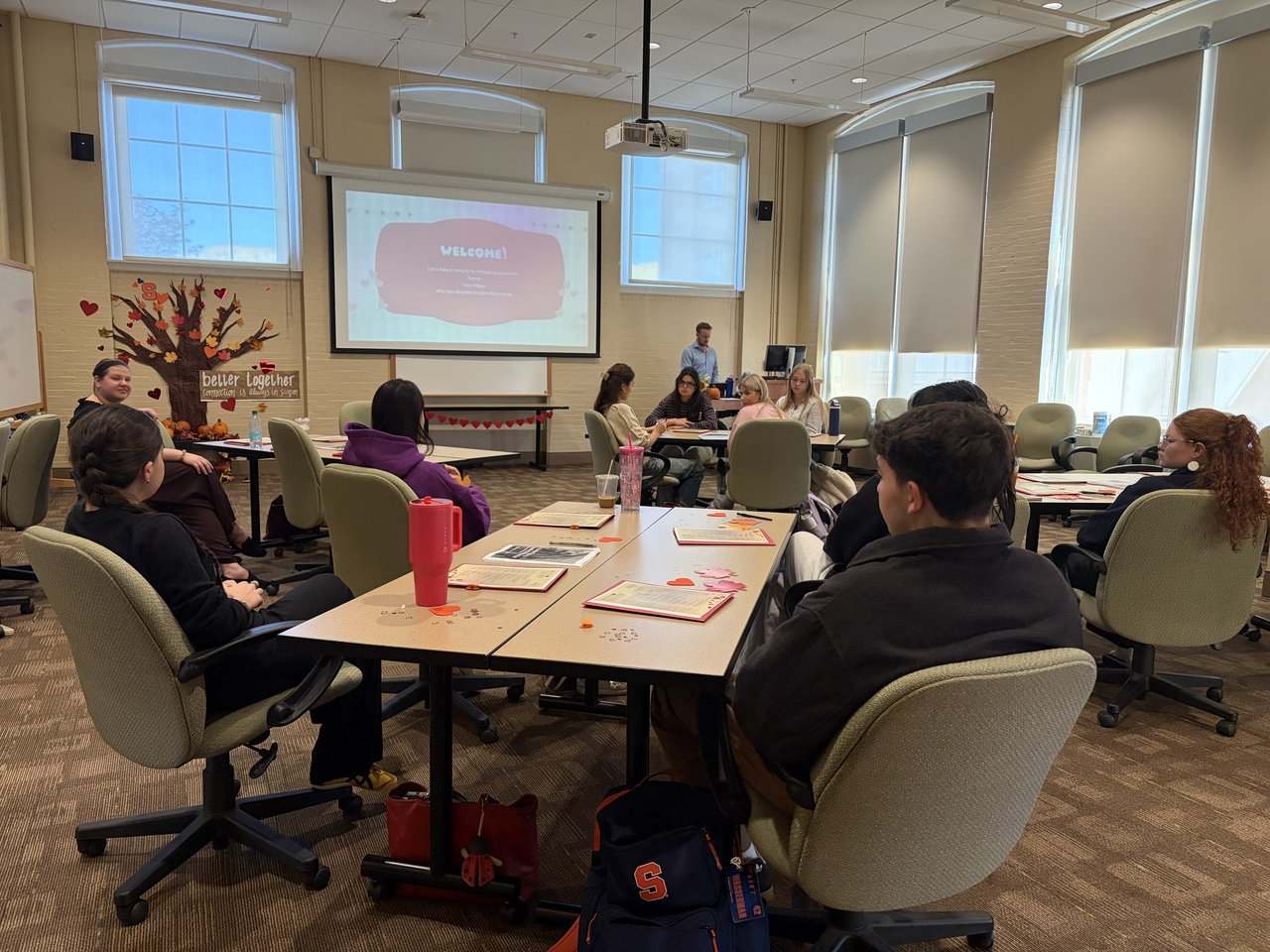
Students today want more than knowledge alone. They seek opportunities to put ideas into practice, connect classroom learning to real-world experiences and develop skills that will shape their personal and professional lives. At a time when many college students report feeling disconnected and lonely, and when screens and social media often replace face-to-face interaction, learning how to build and maintain healthy relationships has taken on renewed importance.
Those themes of experiential learning and connection were at the heart of The Relationship Lab, a two-day residency on Oct. 23 and 24, offered through the Marriage and Family Therapy Program in the Department of Human Development and Family Science (HDFS) in Syracuse University's College of Arts and Sciences (A&S). Designed to help students strengthen interpersonal skills and form meaningful connections on campus, the program brought together students from a range of majors for an immersive exploration of communication, attachment and conflict resolution through hands-on activities and small-group discussions.
For first-year psychology student Ellie Gordon ’30, the experience was transformative enough to help shape her academic future.
"I was drawn to the residency because I have an interest in the psychology behind relationships and was looking for a way to find out more and become more involved," Gordon says. “The experience has pushed me to follow through and add HDFS as a second major.”
Her experience reflects a central goal of The Relationship Lab, which is helping students connect academic concepts to their own lives while creating meaningful opportunities for reflection and growth. As A&S' first residency course offering for undergraduate students, the program represents the College's commitment to expanding accessible, high-impact experiential learning opportunities that enhance the student experience.
Putting Relationship Science Into Practice
The one-credit residency was led by Tristan Martin, assistant teaching professor of marriage and family therapy in HDFS. Drawing on research and expertise from human development, family science and relationship studies, the residency examined topics including communication, attachment, conflict resolution, emotional regulation, boundaries and family systems. Rather than relying on traditional lectures, students engaged in small-group discussions, collaborative activities, case studies and reflective exercises designed to help them apply what they learned in real-world situations.
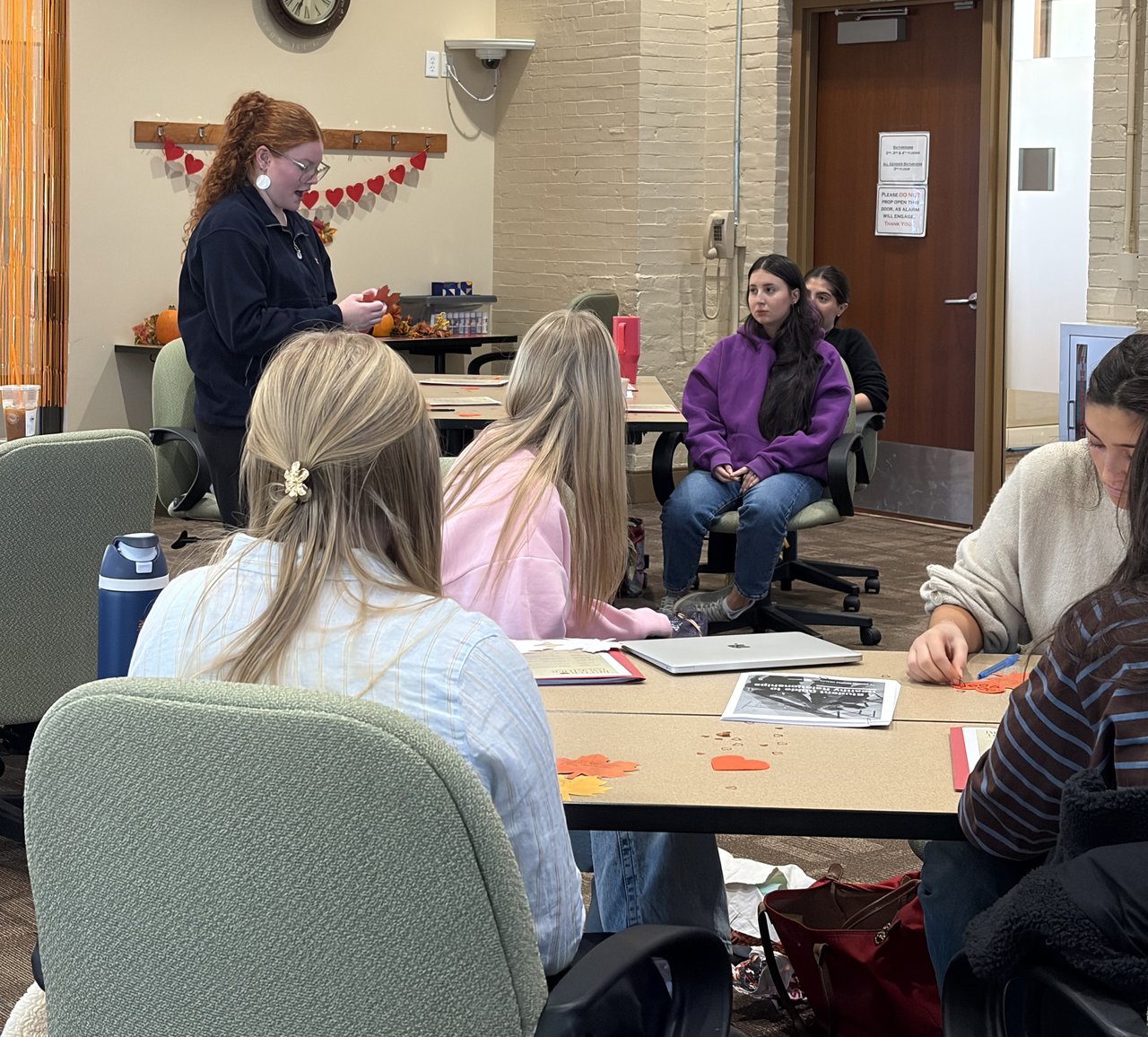
According to Martin, those opportunities for reflection and application were among the most fulfilling aspects of the residency.
"Some of the most meaningful moments were seeing students engage with the activities and connect them to their own experiences," says Martin. "Small group activities gave students a chance to open up and reflect on their relationships with each other, which was rewarding to witness."
Throughout the two-day program, students explored how relationships influence their experiences in college and beyond. Martin notes that supportive relationships can have a significant impact on students' well-being, helping them feel connected and supported as they navigate academic and personal challenges.
For Nikki Parsons ’28, a policy studies major with minors in business, public communications and psychology, one of the most memorable lessons centered on attachment styles, which refer to the pattern of thoughts, feelings and behaviors that shapes how a person connects with other people in close relationships.
"Our discussion about attachment styles really stood out to me because it changed some of my prior beliefs," Parsons says. "We learned what attachment style we were, tools to change it, and how to understand others' attachment styles."
Recognizing different attachment styles can provide insight into how people build trust, respond to conflict and seek support, helping foster healthier and more effective relationships.
Small Groups, Big Impact
Parsons says the residency's small-group format helped create a uniquely engaging learning environment that encouraged students to connect classroom concepts to their lived experiences.
"It was amazing being able to learn about these topics with other students because it felt like group therapy," she says. "We would get real-world examples from people's lives and then analyze them using the tools and content we just learned. We got really close to the people in our groups and learned personal details about them, which was a nice difference from a normal classroom dynamic."
That sense of connection also stood out to Annemarie Sohn, a Ph.D. candidate in HDFS and a marriage and family therapist who served as a teaching assistant for the residency.
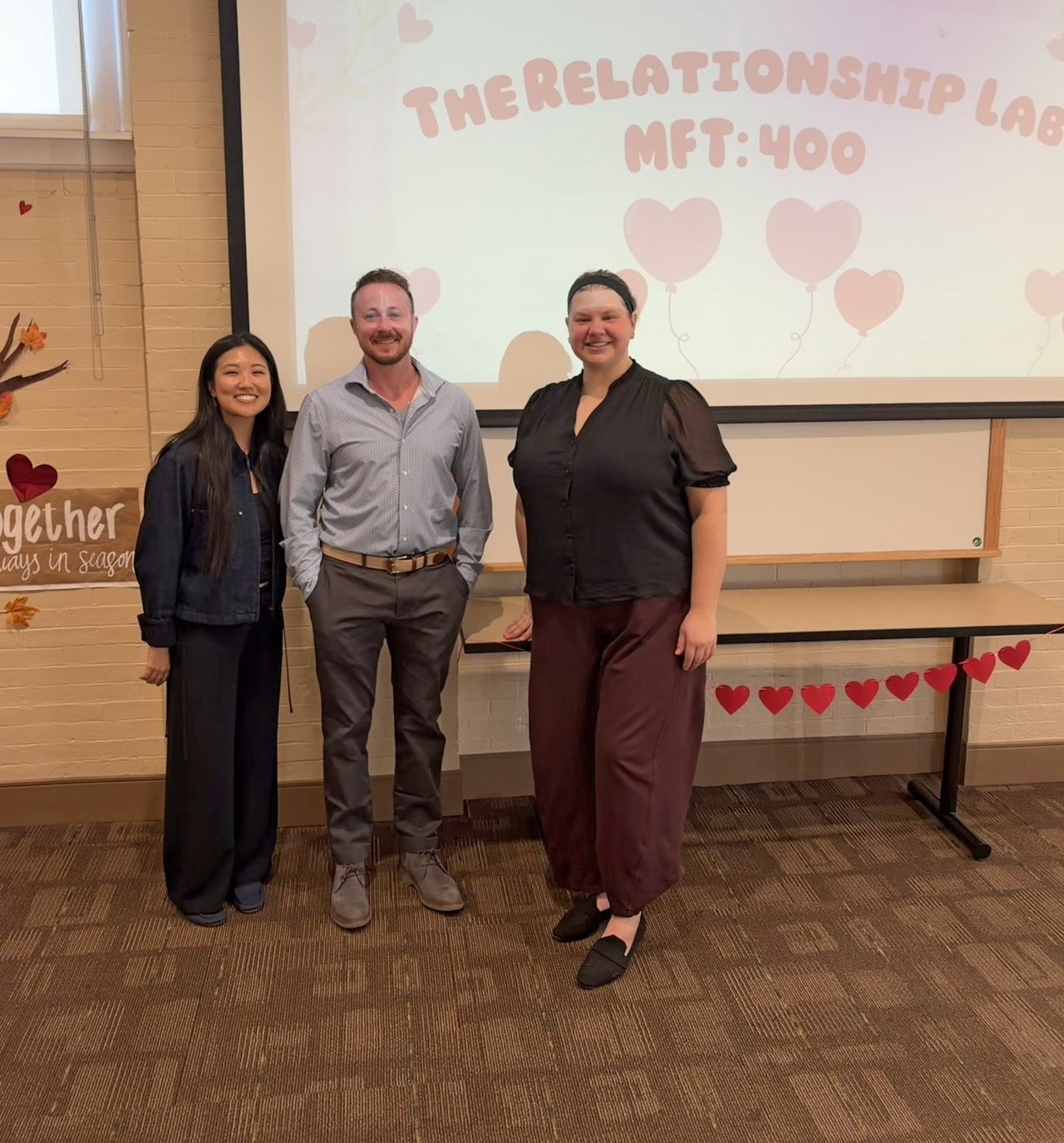
"I valued the hands-on experience of meeting motivated, curious students who want to deepen their understanding and use their skills and knowledge to make an impact in their communities," Sohn says. "The students were vulnerable and open, and they made the class what it was by bringing compassion and empathy and by engaging with one another."
Sohn observed that the relationships students formed during the residency became an important part of the learning process itself.
"Through this experiential residency, what stood out most was how their relationships with each other mirrored the work of the relationship lab, creating a parallel process that brought the learning to life," she says.
Lifelong Lessons
Students left the residency with practical skills they expect to use throughout their personal and professional lives. Parsons says lessons on communication, conflict resolution, attachment styles and understanding personal needs will directly influence her relationships and future professional development.
Similarly, Gordon says she plans to apply what she learned about communication and consistency in her own relationships.
"I think out of all the learned content, I'm going to try to apply more consistency and active communication into my relationships since I find that I can go quiet easily in stressful situations," she says.
The residency attracted students from across the College, demonstrating the broad appeal of an experience centered on practical skills and personal growth. Participants represented a variety of academic disciplines, reinforcing the program's broader message that relationship skills are relevant regardless of career path or major.
As the inaugural offering concludes, Martin hopes students come away with greater confidence in their ability to build healthy, supportive relationships.
"I hope students leave with a better understanding of themselves and how they show up in their relationships," he says. "I also hope they feel more confident communicating with friends and partners and building relationships that support their well-being."
Following the success of the first residency, Martin says he would welcome the opportunity to teach The Relationship Lab again and continue expanding access to this type of experiential learning.
For students like Parsons, the value of the experience is clear.
"I would tell [other students] it was a very beneficial and fun experience," she says. "Even if they aren't a psych or HDFS major, the experience is worthwhile because we all are in relationships."
Published: Nov. 6, 2026
Media Contact: asnews@syr.edu