
At America’s Defining Moments
Throughout its 250-year history, the United States has moved through defining eras when the nation has paused to reconsider its identity and ideals. Time and time again, the College of Arts and Sciences (A&S) has been ahead of that curve, with faculty, students and alumni leading the way forward. As the country marks its semiquincentennial, let’s also celebrate their contributions.
Meet the A&S movers and shakers who helped shape history.
1873: Building A Foundation for Learning and Progress
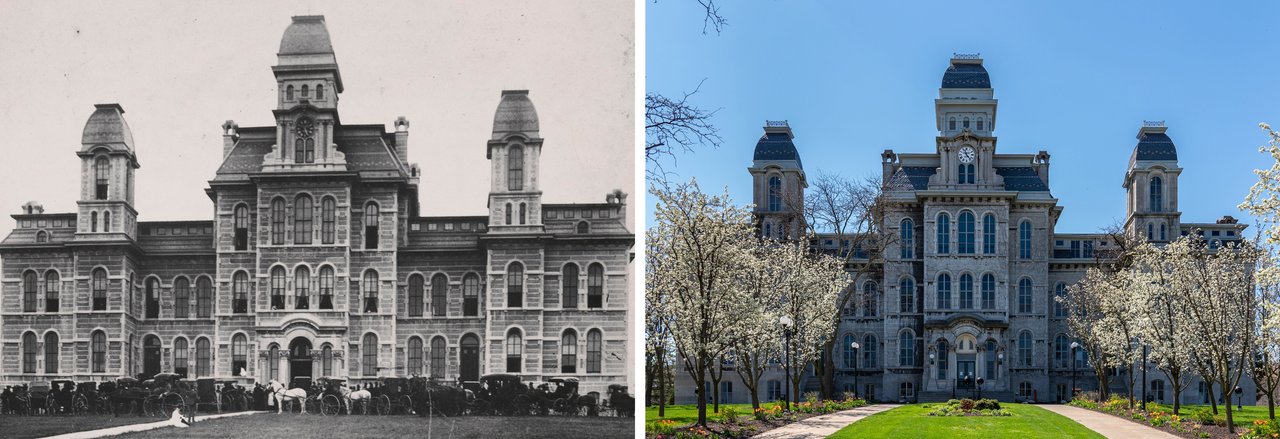
The story begins with the Hall of Languages, which is the physical and symbolic heart of the University. Dedicated in 1873, as the nation approached its centennial, it rose at a moment when the United States was transforming from an agricultural society into an industrial power. The City of Syracuse, newly connected by the Erie Canal and an expanding rail network, had become a crossroads for commerce, ideas and ambition.
In that environment, Syracuse University emerged as part of a broader national belief that higher education would fuel progress and innovation. Designed in the Second Empire style by famed architect Horatio Nelson White, the Hall of Languages housed the entire University at its founding and remains a reminder that institutions of learning often anchor communities through periods of profound change.
1889–1893: Expanding Access and Opportunity
As the United States moved through post-Civil War Reconstruction and into rapid economic, industrial and technological growth, the expansion of access to higher education to women and people of color started becoming an urgent national issue and A&S was part of that transformation.
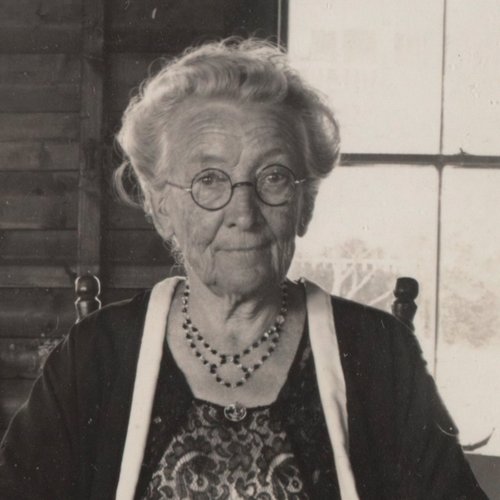
In 1889, Cornelia M. Clapp became the first woman in the United States to earn a doctoral degree in biology, a milestone that reflected the growing movement for women’s inclusion in higher education and scientific fields.
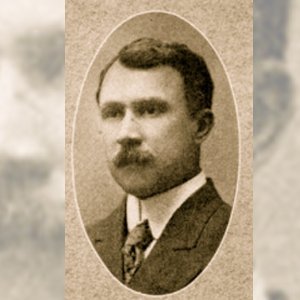
Just four years later, in 1893, William Lewis Bulkley became one of the first African Americans in the nation to earn a doctorate and the first to do so in classics at Syracuse. His later role as a founding member of the NAACP and co-founder of the National Urban League demonstrated how academic excellence could serve as a pathway into the long struggle for civil rights in America.
1940s: Breaking Barriers in Academia
The mid-20th century brought new challenges after World War II, from confronting entrenched racial inequality to meeting the scientific and technological demands of a rapidly intensifying Cold War.
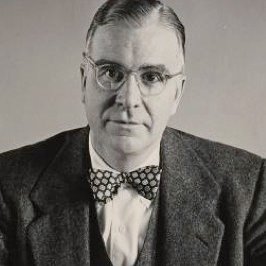
William Pearson Tolley, Syracuse University’s seventh Chancellor, helped lead efforts to reintegrate World War II veterans into higher education and contributed to the creation of the Servicemen’s Readjustment Act of 1944, known today as the G.I. Bill®. This work helped lay the foundation for Syracuse’s longstanding commitment to veterans and military-connected students.
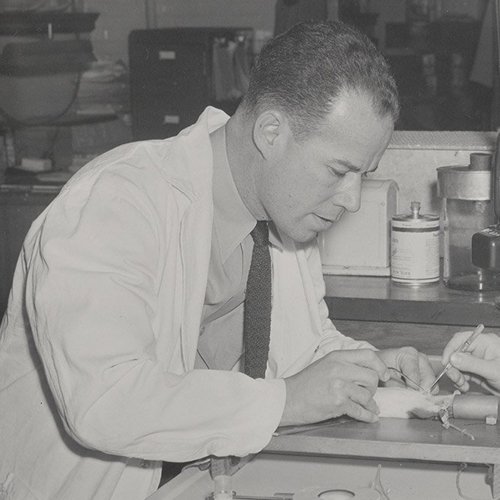
In 1948, Professor James Hope Birnie became the first African American to hold a faculty position in biology at Syracuse University. Supported in part by the expanding National Institutes of Health, his work reflected both the rising importance of federally funded research and the gradual progress toward equal opportunity within academia.
1960s: Demonstrating Innovation, Culture and Social Change
Few decades in American history were as transformative or tumultuous as the 1960s, a period marked by protest movements, the Vietnam War and a rising counterculture. Across the country, young people challenged the status quo, questioning long-standing systems and refusing to accept inherited norms, and A&S alumni and faculty were deeply woven into its breakthroughs.
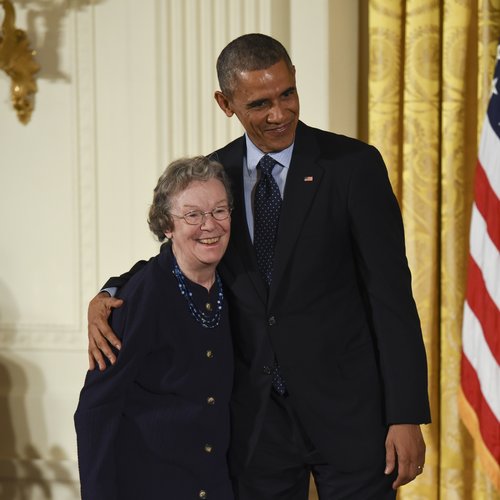
In science and industry, Edith Flanigen G’52 developed zeolite Y, an innovation that transformed petroleum refining in the 1960s by making it far more efficient to convert crude oil into gasoline, helping meet rising energy demands during a period of rapid economic growth. For her contributions, she received the National Medal of Technology and Innovation from President Barack Obama.

In 1967, Kathrine Switzer ’68 challenged gender norms by becoming the first woman to officially run the Boston Marathon. This historic moment resonated far beyond athletics and into the broader movement for women’s rights.
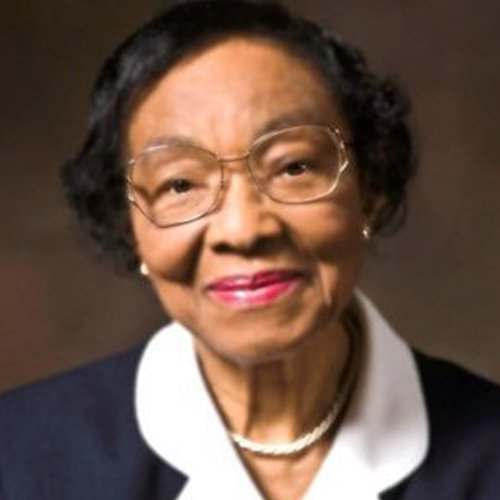
And in 1969, Rubye Torrey G’69 became the first African American woman to earn a Ph.D. in analytical chemistry from Syracuse. She went on to build research programs and mentor future scientists, further expanding opportunities for those who followed.
1982–1999: Crossing Science, Medicine and the Space Frontiers
In the closing decades of the 20th century, American innovation accelerated. With the end of the Cold War, a much-anticipated “peace dividend” shifted attention toward domestic priorities, helping bring major advancements in biotechnology, computing and space exploration to the fore.
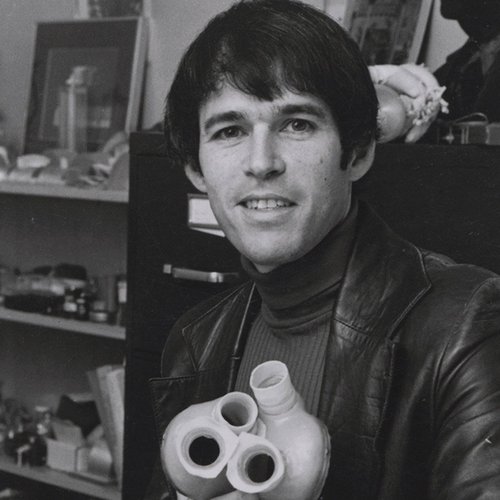
In 1982, Robert Jarvik’s ’68, H’83 artificial heart marked a watershed moment in biomedical engineering, demonstrating how research could lead to life-extending technologies.
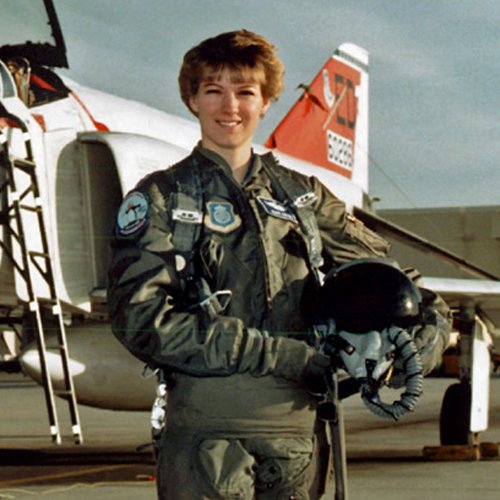
Meanwhile, Eileen Collins ’78 broke new ground in the U.S. space program, becoming the first astronaut to both pilot (1995) and then command (1999) a space shuttle mission. Her achievements reflected both technological ambition and the expanding role of women in leadership.
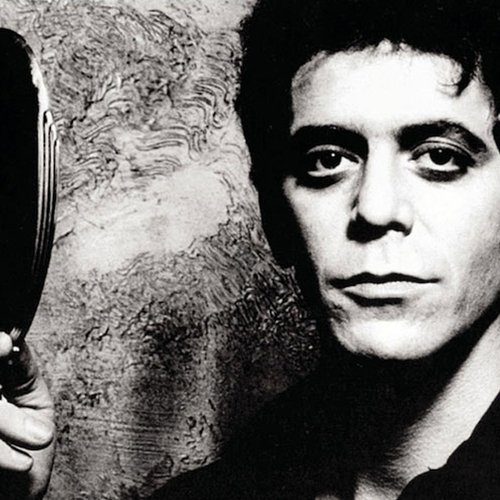
A&S also shaped American culture during this period. Grammy Award winner and Rock and Roll Hall of Fame member Lou Reed ’64, an English alumnus, influenced generations of artists and music enthusiasts through his groundbreaking work.
2000s and Beyond: Reimagining Humanity's Roles and Responsibilities
In the 21st century, as the world confronts complex global challenges that demand new ways of thinking, A&S has remained at the forefront of discovery, helping to redefine how we approach problems once thought unsolvable.

In 2013, professor of English George Saunders G'88 delivered a speech at A&S Convocation on kindness that would become one of the most celebrated graduation addresses of its generation. Four years later, Saunders became the first Syracuse University faculty member to win the Man Booker Prize for his novel, Lincoln in the Bardo, a New York Times bestseller.

Faculty and alumni played a foundational role in the 2015 detection of gravitational waves at the Laser Interferometer Gravitational-Wave Observatory (LIGO), confirming a century-old prediction by Albert Einstein. This achievement marked a turning point in physics, opening an entirely new way of observing the universe and deepening humanity’s understanding of space and time.
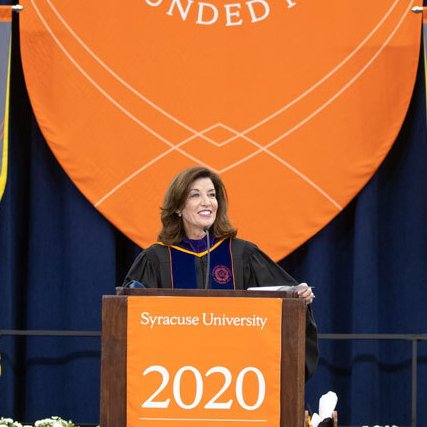
The College’s impact continues in the civic sphere. In 2021, Kathy Hochul ’80 became the first woman to serve as governor of New York, reflecting the ongoing evolution of leadership and representation in American politics.

As the United Nations declared 2025 the Year of Quantum, A&S launched the Institute for Quantum and Information Science. The institute brings together experimental and theoretical researchers tackling some of the deepest questions in physics to help lead the next wave of a technological revolution that promises to redefine the future of computing.
Looking Forward
Together, these stories illustrate how A&S has embodied major turning points in American history. As the nation begins its next 250 years, the College is cultivating the thinkers, innovators and leaders who will define the questions and decisions to come.
Published: June 18, 2026
Media Contact: asnews@syr.edu