
Biology Professor Quoted in National Geographic
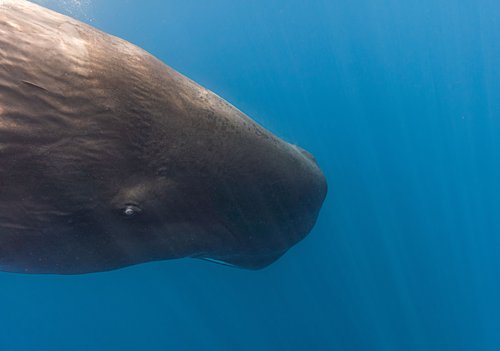
"The fact that you can detect a subtle behavioral change, that could just be the tip of the iceberg of a more serious physiological disturbance that's not something we could measure directly externally."
That's how Susan Parks, professor in the College of Arts and Sciences' Department of Biology, described the potential risks of shipping noise on sperm whale communication in a National Geographic article.
The piece covered new research from Project CETI, a multidisciplinary initiative working to decode sperm whale communication, which found that noise pollution from ships causes whales to shorten and switch the acoustic sequences they use to communicate. The disruption could interfere with the social bonds and family units the animals depend on for protection and raising young, and the findings could help inform future efforts to regulate ocean noise.
Published: July 23, 2026
Media Contact: asnews@syr.edu