
Evidence for Success
Editor's Note: The following article was written by Jay Cox for Syracuse.edu and published on December 1, 2025.
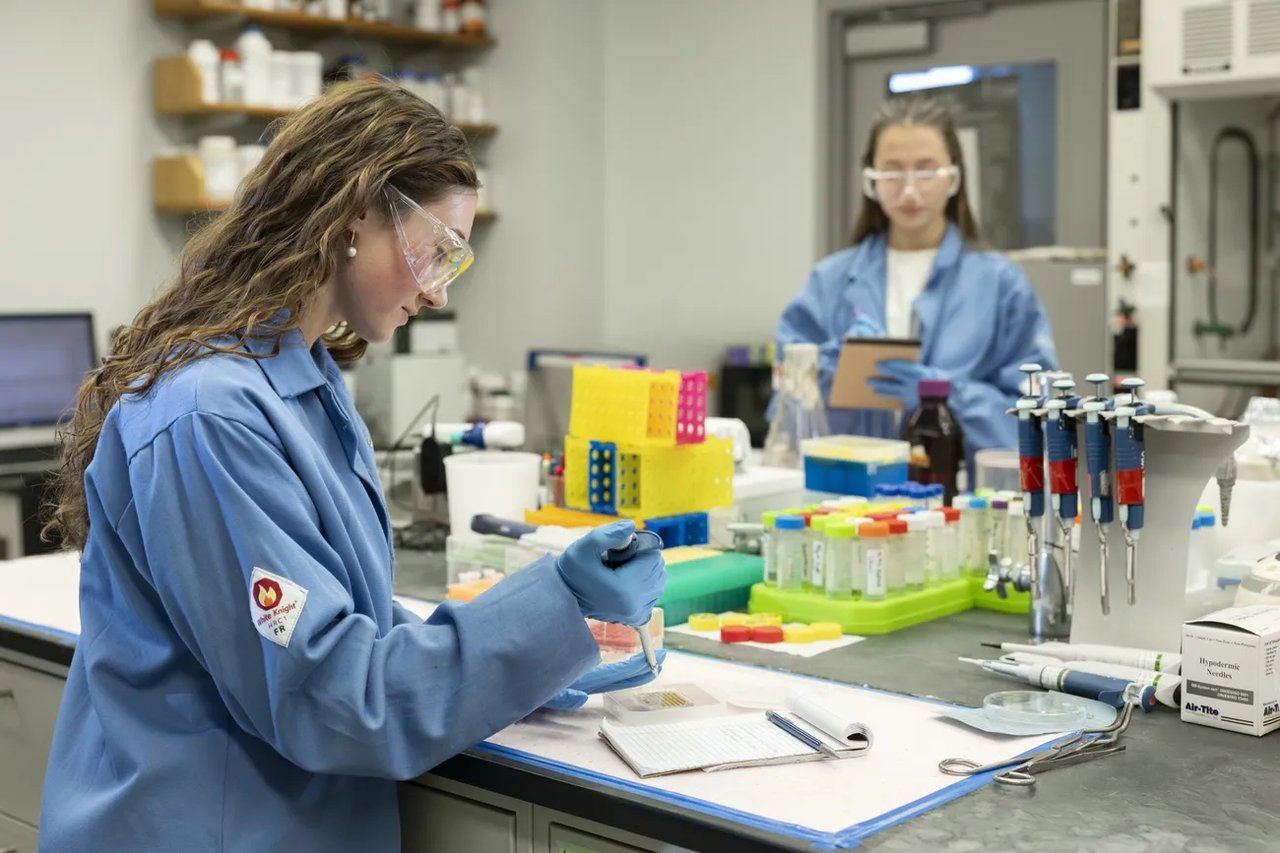
Whether they’re examining a DNA sample, creating a toxicology report or testifying in court, forensic scientists rely on science-based techniques to evaluate evidence and help determine whodunit—or who didn’t.
Through the Forensic and National Security Sciences Institute (Forensics) at Syracuse University’s College of Arts and Sciences, undergraduates pursue forensic science as an integrated learning major (ILM) paired with a base major. As an applied and interdisciplinary field, forensic science draws from natural sciences such as biology, chemistry and physics—essential for laboratory work—as well as social sciences like psychology, sociology and anthropology, which can be used in investigations and victim advocacy work, says Kathleen Corrado, executive director of Forensics.
“Pairing the forensic science major with another major provides students with a strong foundation in the underlying science that then allows them to apply it in a forensic context,” Corrado says. “It also allows for more career flexibility as students have multiple experiences and strengths to draw from when deciding what field to pursue after graduation.”
Read the full story on Syracuse.edu.
Student Snapshot
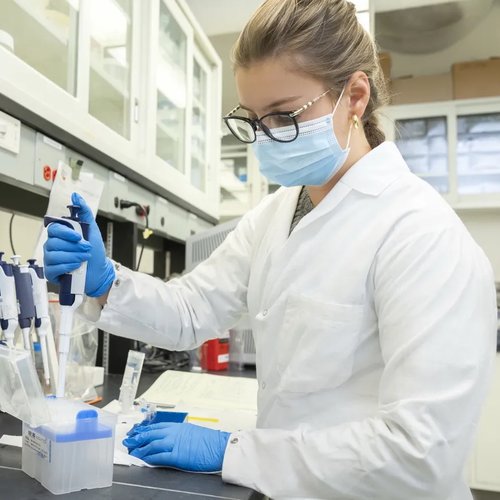
Matilda Nichols ’27 appreciates how her chemistry and forensic science studies complement one another and inspire her research.
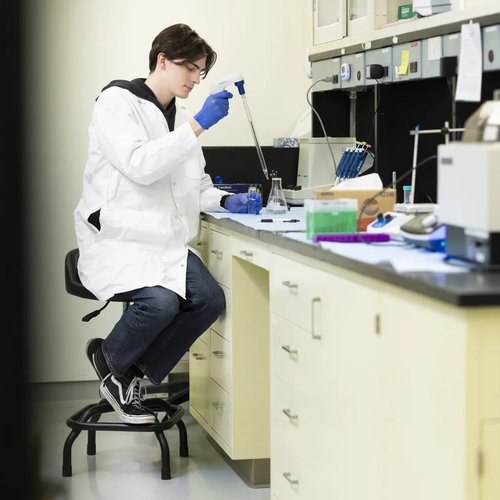
Cody Wade’s ’26 biology studies have given him a solid foundation to build his knowledge of forensic science.
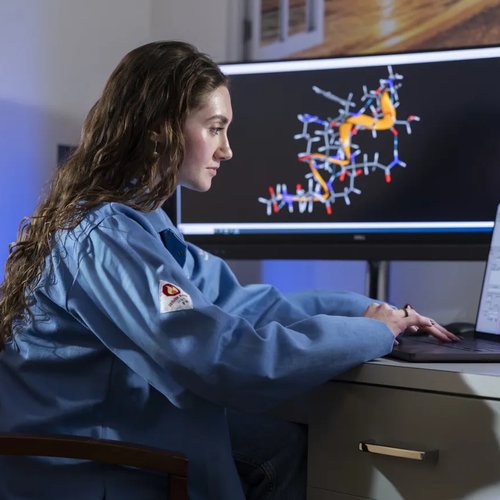
Sarah Vella ’26 does research in the lab of chemistry professor Robert Doyle and aspires to be a forensic pathologist.

Emily Schroeder ’25 believes her education in psychology and forensic science will be beneficial in pursuing a career as a crime investigator.
Published: Dec. 4, 2025
Media Contact: asnews@syr.edu