
A&S Researchers Featured in Nature for Discovery of Heat-Loving Amoeba
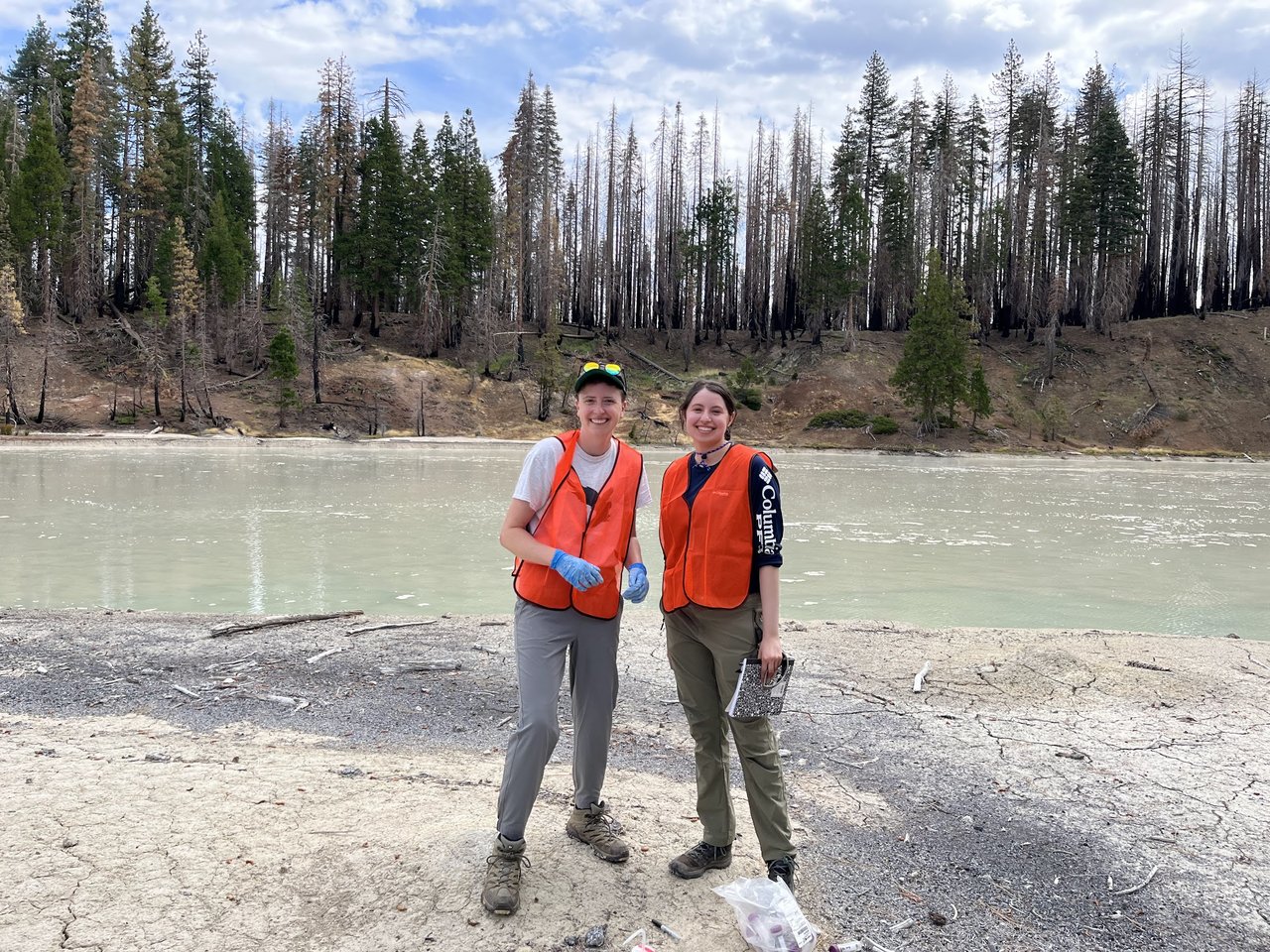
Angela Oliverio, assistant professor of biology in the College of Arts and Sciences (A&S), and Beryl Rappaport, a graduate student in Oliverio’s lab, were featured in Nature for their team’s groundbreaking discovery of a eukaryotic organism that thrives in extreme heat—conditions once thought impossible for complex life.
The article, titled “‘Fire amoeba’ survives in hotter conditions than any other complex cell," details the group's research on Incendiamoeba cascadensis, a single-celled organism discovered in Lassen Volcanic National Park. Unlike most eukaryotes, which typically perish above 43°C, this amoeba can divide at 63°C and remain active at 64°C. Even at 70°C, it forms dormant cysts capable of reactivating later.
“We need to rethink what’s possible for a eukaryotic cell in a significant way,” Oliverio said.
Additional coverage of their research:
Published: Dec. 3, 2025
Media Contact: asnews@syr.edu